Why AWS is right to move Q Developer users to Kiro
AWS is right to end Q Developer as the center of its AI coding strategy and push users to Kiro.
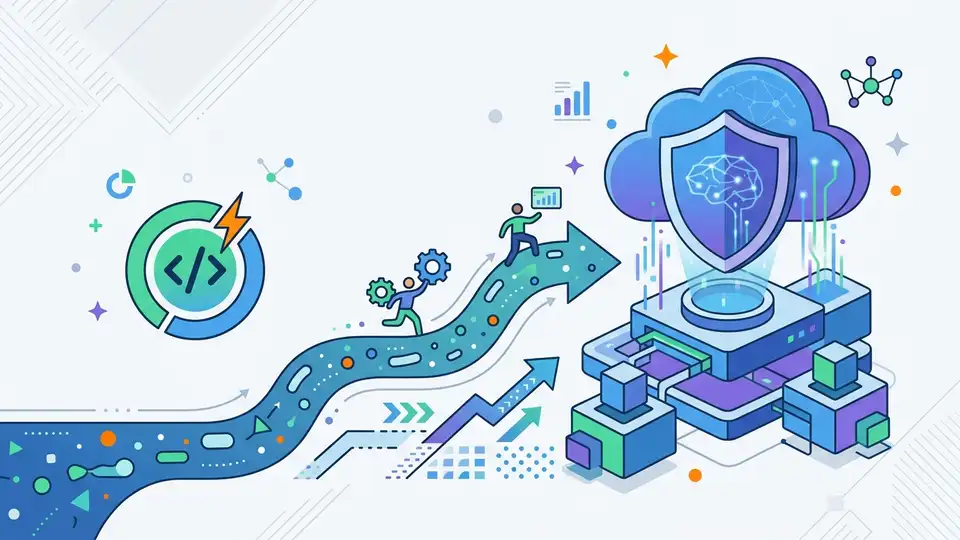
AWS is ending Q Developer as its main AI coding product and steering users to Kiro.
AWS is making the right call by winding down Amazon Q Developer as the center of its AI coding strategy and pushing developers toward Kiro. The announcement is not a quiet rename or a feature shuffle. It sets a hard boundary: new Q Developer signups stop on May 15, 2026, Opus 4.6 leaves Q Developer Pro on May 29, 2026, and paid IDE plugins reach end of support on April 30, 2027. That is a clear signal that AWS no longer believes a generic assistant inside the IDE is the best way to deliver serious software automation.
Q Developer was useful, but it hit the ceiling of prompt-by-prompt coding
Get the latest AI news in your inbox
Weekly picks of model releases, tools, and deep dives — no spam, unsubscribe anytime.
No spam. Unsubscribe at any time.
Amazon Q Developer proved the basic case for AI in the editor. It helped with code generation, debugging, and chat guidance across VS Code, JetBrains, Eclipse, and Visual Studio. That matters because it normalized the idea that AI belongs in the inner loop of development, not parked in a separate web app. But normalization is not the same as transformation. Once the novelty wore off, the limits of a prompt-first assistant became obvious: it can suggest code, but it does not naturally reason across architecture, tests, requirements, and long-running project constraints.

AWS says the lesson from the past year is that the most impactful developer experiences go beyond code generation and completion. That is the key sentence in the whole announcement. If the job is to change a codebase safely, the unit of work is not a single prompt or a single file. It is a change plan, a set of dependencies, a validation path, and a memory of project rules. Q Developer was always a useful assistant. It was never the right long-term container for that broader workflow.
Kiro is the right product shape for agentic software work
Kiro is built around specs, hooks, steering files, custom subagents, and powers. That is not cosmetic packaging. It is a direct answer to the failure mode of chat-driven coding tools, which tend to be reactive and stateless. Specs give the system a durable target. Hooks let it act on file save, commit, or other events. Steering files preserve architecture and conventions. Custom subagents split specialized tasks like security review or API contract validation into distinct responsibilities. That is a real shift from “help me write this function” to “help me deliver this feature correctly.”
The strongest evidence that AWS believes this model is superior is the model access decision. The latest coding models, including Opus 4.7, are available exclusively on Kiro. AWS is not merely adding Kiro as another client. It is moving the best models into the environment designed to use them properly. That is exactly how platform transitions should work: put the strongest capabilities where the workflow can absorb them. Keeping those models inside Q Developer would have prolonged a product philosophy AWS now considers incomplete.
Sunsetting the old path is better than pretending both paths are equal
AWS is giving customers time, and that matters. Existing Q Developer IDE plugin users with paid subscriptions keep access until April 30, 2027. Existing subscriptions can add new users. The IDE plugins stay published in the marketplaces with deprecation notices, and critical bug fixes continue during the transition. That is not an abrupt shutdown. It is a managed migration with a long runway, which is the responsible way to retire a product path that no longer matches the company’s direction.
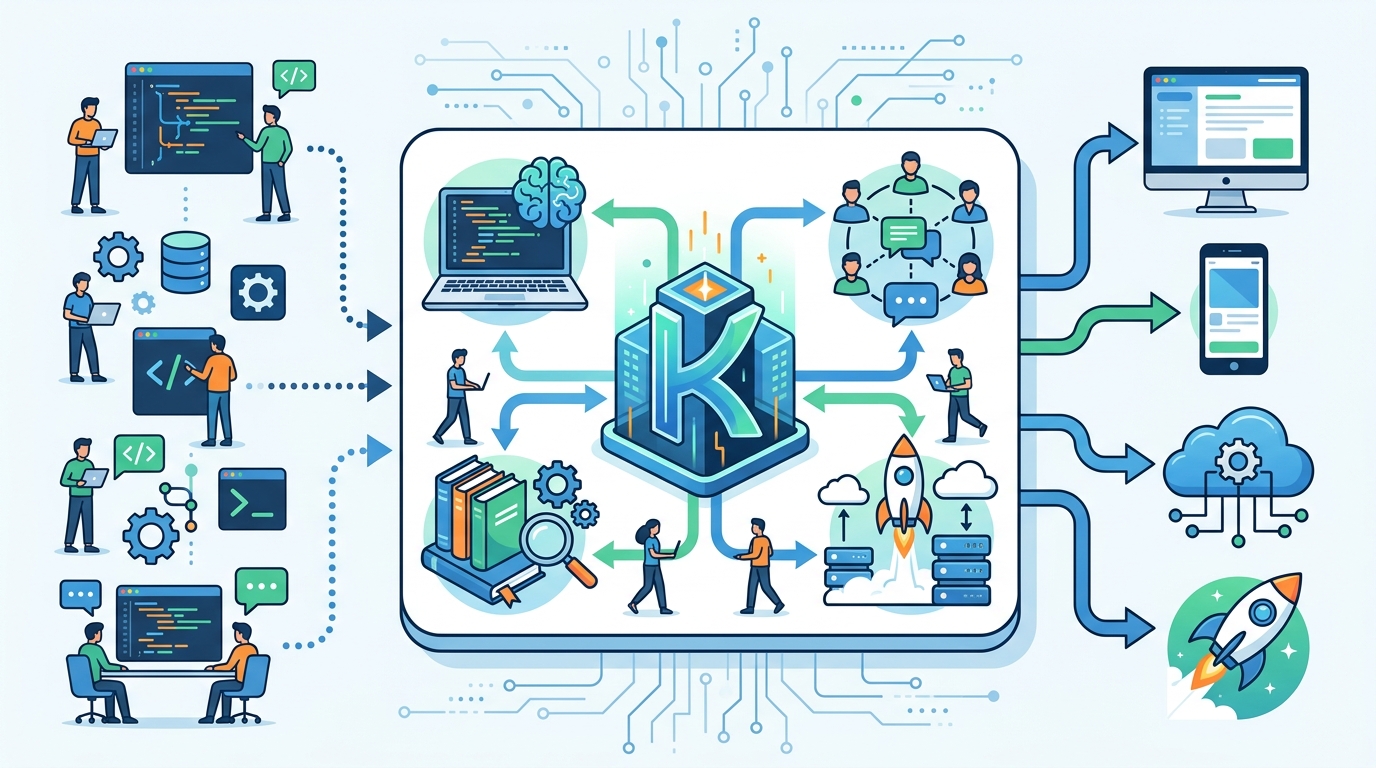
The alternative would have been worse: keep Q Developer and Kiro side by side as if they were peers, and force customers to guess which one is the future. That kind of ambiguity freezes adoption. Developers do not want two overlapping AI coding products with different model access, different workflows, and different roadmaps. They want one clear place to invest their time. AWS is taking the pain up front so the ecosystem does not pay for indecision later.
The counter-argument
The best argument against this move is customer continuity. Q Developer already lives inside the tools many teams use every day, and AWS has made it clear that not everything is changing. Q Developer in the AWS Management Console, AWS documentation, the AWS Marketing Website, the AWS Console Mobile App, and chat apps like Slack and Microsoft Teams remains available. For teams that rely on those touchpoints, Kiro is not a drop-in replacement. It introduces a new environment, new concepts, and a new migration burden.
That objection is real, but it does not defeat the strategy. AWS is not claiming Kiro replaces every Q Developer surface. It is saying the IDE plugin and paid subscription model are no longer the best place to concentrate its most advanced coding capabilities. That is a valid line to draw. Keeping the console and chat experiences intact preserves utility for lighter workflows, while moving serious development work into a purpose-built agentic IDE. The limit is obvious: customers with simple needs will feel the transition friction. But the product direction is still correct because the old shape was too narrow for the work AWS wants AI to do.
What to do with this
If you are an engineer, stop treating AI coding tools as interchangeable autocomplete layers. Start evaluating whether your workflow needs a chat assistant or an agentic environment with specs, hooks, and persistent project context. If you are a PM or founder, use this announcement as a warning that AI developer tooling is moving from prompt response to workflow orchestration. Plan migrations around that reality. Review Kiro now, map your existing Q Developer usage to the new environment, and make the transition while AWS is still running both paths in parallel.
// Related Articles
- [IND]
WebX 2026 turns speaker hype into a conference brief
- [IND]
AI Weekly: 2026-07-06 ~ 2026-07-13
- [IND]
The AI Act should be treated as Europe’s operating system for AI
- [IND]
Booz Allen’s OpenAI Deal Is Real Advantage, Not Hype
- [IND]
OpenSearch’s vector search benchmark in 5 parts
- [IND]
Vector Databases That Work in Production