Why Claude’s May 2026 updates are a platform play, not a feature dump
Claude’s May 2026 releases show Anthropic is turning Claude into a platform, not just a chatbot.
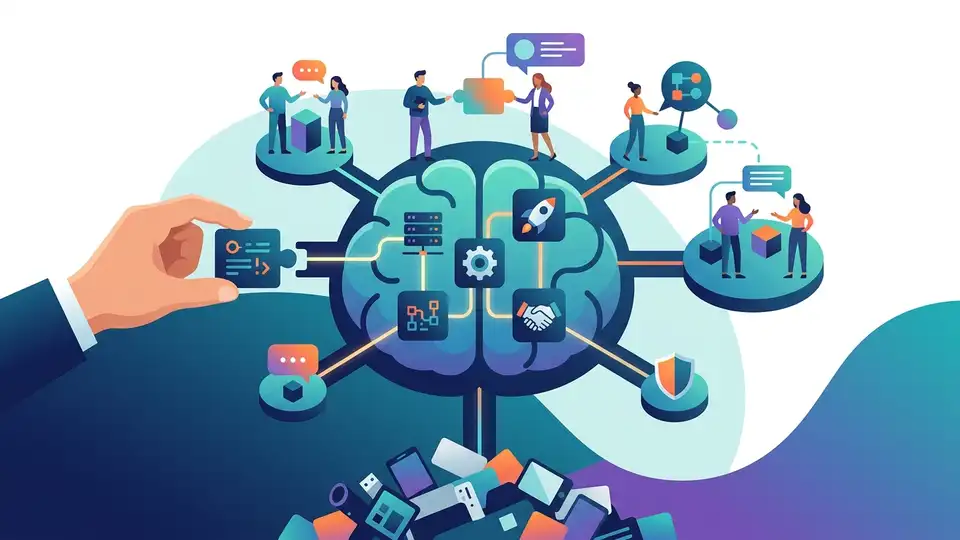
Claude’s May 2026 releases turn it into a platform for work, not just a chatbot.
Anthropic is no longer shipping isolated product tweaks; it is building Claude into the operating layer for enterprise work. The May 2026 updates span AWS-native access, Microsoft 365 add-ins, managed agents, memory, connectors, and enterprise controls, which is not the profile of a model vendor chasing novelty. It is the profile of a company trying to own the workflow surface where knowledge work actually happens.
Claude’s real product is now distribution
Get the latest AI news in your inbox
Weekly picks of model releases, tools, and deep dives — no spam, unsubscribe anytime.
No spam. Unsubscribe at any time.
The strongest evidence is the AWS launch. Claude Platform on AWS gives customers the full API feature set with AWS authentication, billing, audit logging, and commitment retirement, while keeping the same-day release cadence as the native Claude API. That matters because enterprise adoption is rarely blocked by model quality alone. It is blocked by procurement, identity, logging, and the need to fit inside the cloud stack already approved by security and finance.
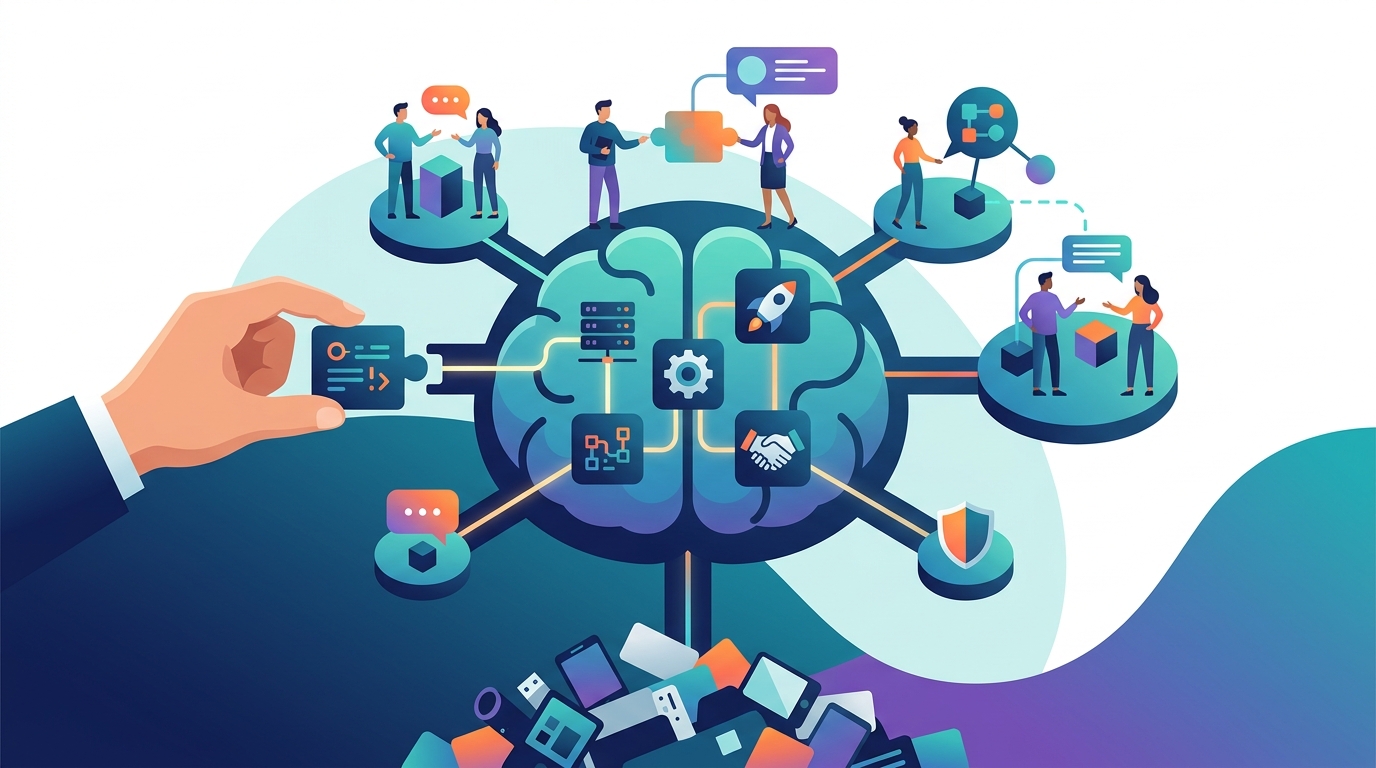
Anthropic is making the same move in Microsoft 365. Claude for Excel, PowerPoint, and Word is now generally available, and Outlook is in public beta. That is not a side quest. It is a direct insertion into the daily software where analysts, operators, and executives spend their time. When Claude can move from an email to a memo to a spreadsheet to a deck without re-explaining the task, it becomes less like an assistant and more like a work layer.
The agent story only works if the platform is deep
The managed agents update proves Anthropic understands the difference between demos and durable automation. Dreaming, outcomes, multiagent orchestration, and webhooks are all aimed at making agents better over time instead of merely more verbose. The key idea is simple: if an agent cannot learn from prior sessions, check its work against a rubric, and coordinate with other agents, it will never graduate from toy to tool.
That is why the memory work matters as much as the model work. Dreaming reviews past sessions, extracts patterns, and curates memory so long-running workflows improve instead of drift. In practice, that is the missing piece in most agent systems. Teams do not need a one-off agent that impresses in a sandbox. They need a system that remembers how a finance model was built last week, how a support workflow failed last quarter, and what “good” means for this company, not just for the benchmark.
Connectors are the quiet moat
Anthropic’s connector strategy is the most underappreciated part of the release cadence. The company says the Claude directory has grown to more than 200 connectors since launching in July 2025, and the May update improves how connectors surface in chats by suggesting the right app in context. That is a real product advantage because it reduces the friction of finding the right source of truth. If Claude can point a user to the right system at the right moment, it saves time before a prompt is even written.
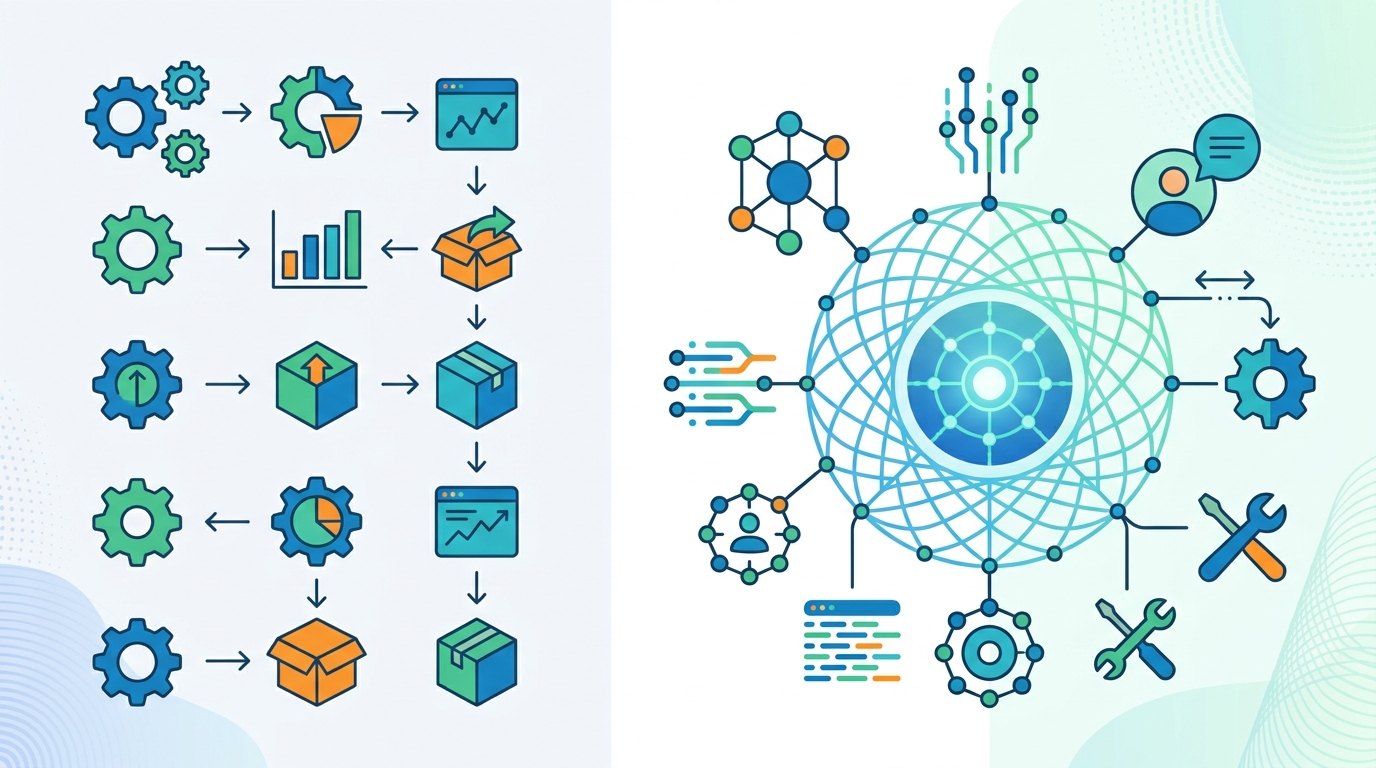
Connectors also keep users inside the conversation while they search, plan, and act. That sounds small, but it is exactly how workflow software wins. The best enterprise tools do not just answer questions; they keep the task moving without forcing the user to bounce between tabs, apps, and browser searches. A directory of 200-plus connectors is not just catalog growth. It is the start of a network effect around context.
The counter-argument
The opposing view is straightforward: this is too much surface area and too much complexity. A platform spread across AWS, Bedrock, Microsoft 365, connectors, agents, and enterprise controls risks becoming fragmented. Buyers may prefer a simpler story, especially if they already standardize on one cloud or one productivity suite. And every new integration adds another place where policy, permissions, and support can fail.
That critique is fair, but it misses the point of enterprise AI. Fragmentation is already the reality of work. Data lives in email, spreadsheets, docs, cloud warehouses, internal APIs, and third-party apps. The winner is not the vendor with the cleanest demo. The winner is the vendor that can sit across those systems without making the user stitch everything together by hand.
There is also a legitimate concern that platform sprawl can dilute focus. Anthropic should not pretend that every integration is equally important, and it should not bury core model quality under product theater. But the May 2026 releases do not read like distraction. They read like infrastructure. The company is building the connective tissue that makes the models useful at scale, and that is the right bet.
What to do with this
If you are an engineer, stop evaluating Claude as a chat interface and start evaluating it as a systems layer: identity, logging, connectors, memory, and agent orchestration. If you are a PM or founder, design your AI roadmap around workflow ownership, not prompt tricks. The lesson from these releases is blunt: the model is table stakes, but the platform is the moat. Build for the place where work already happens, or someone else will.
// Related Articles
- [IND]
WebX 2026 turns speaker hype into a conference brief
- [IND]
AI Weekly: 2026-07-06 ~ 2026-07-13
- [IND]
The AI Act should be treated as Europe’s operating system for AI
- [IND]
Booz Allen’s OpenAI Deal Is Real Advantage, Not Hype
- [IND]
OpenSearch’s vector search benchmark in 5 parts
- [IND]
Vector Databases That Work in Production