Why PolyAI’s Kong deal is the right move for enterprise AI
PolyAI is right to unify its API platform on Kong because enterprise AI needs governance, scale, and monetization.
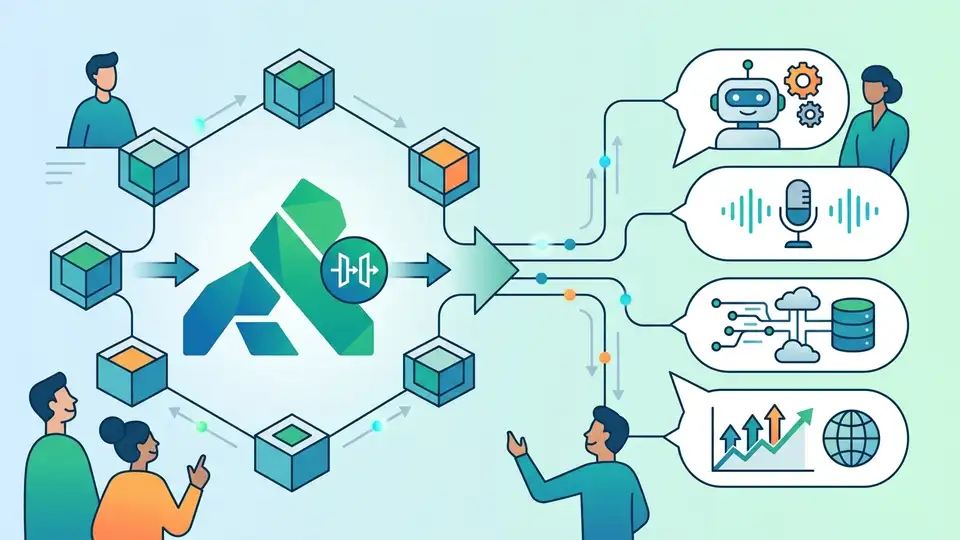
PolyAI is right to unify its API platform on Kong because enterprise AI needs governance, scale, and monetization.
PolyAI made the correct call: if it wants to sell enterprise conversational AI at scale, it needs a unified API platform, not a patchwork of tools. The company says more than 200 enterprise customers already use Agent Studio, and its largest deployments are doing work equivalent to over 1,000 full-time employees. That is not a hobby project. It is a production system with real traffic, real customers, and real operational risk, which is exactly why API management stops being a backend convenience and becomes a business requirement.
First argument: scale without governance turns AI platforms into liability
Get the latest AI news in your inbox
Weekly picks of model releases, tools, and deep dives — no spam, unsubscribe anytime.
No spam. Unsubscribe at any time.
When AI products move from pilot to production, the first failure is usually not model quality. It is control. PolyAI’s move to Kong Konnect is about standardizing API management, developer onboarding, documentation, analytics, and governance across the business. That matters because every external integration expands the attack surface, every undocumented endpoint slows teams down, and every manual approval step makes delivery brittle. A single control plane is not a luxury here; it is the only sane way to keep a fast-growing platform legible.
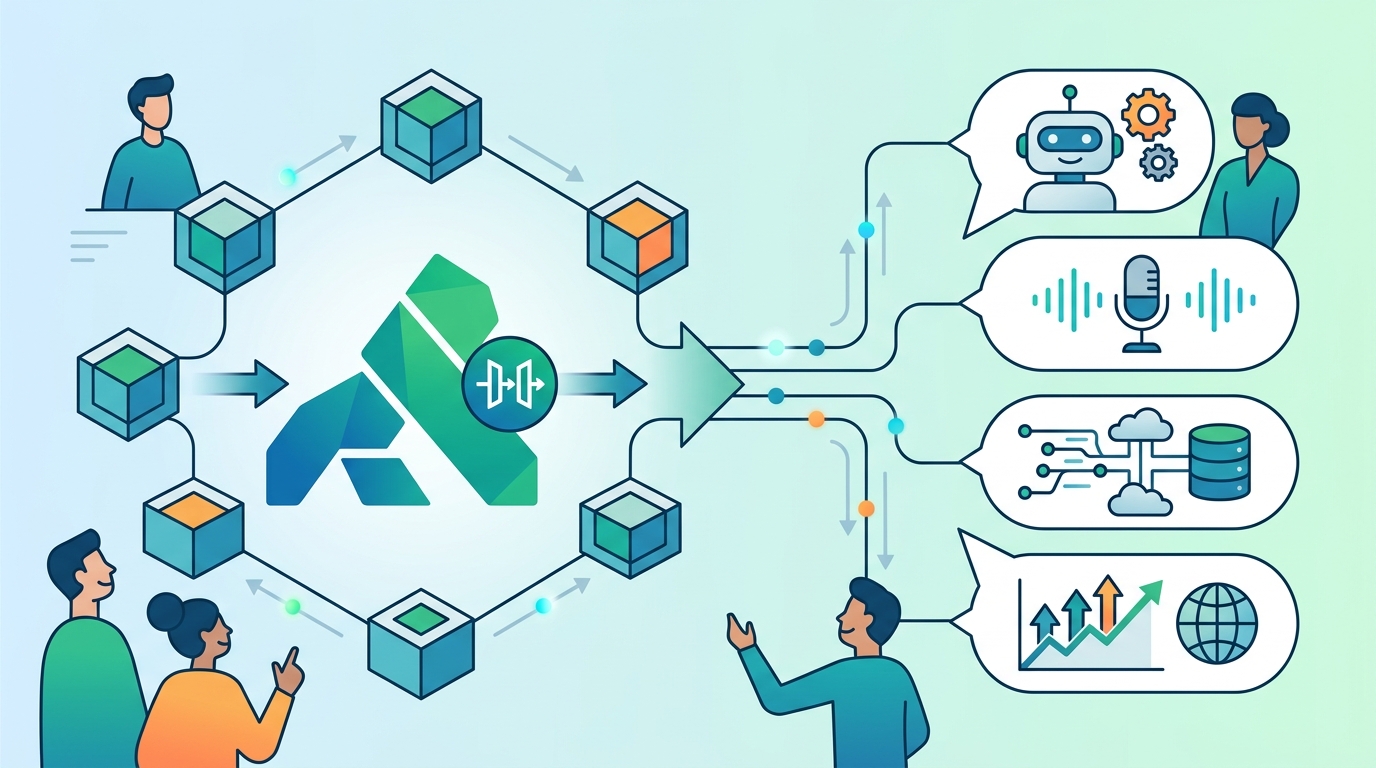
The scale claim is the telling detail. Kong says its platform can handle more than a trillion API calls and AI requests each day, while PolyAI says its service supports large enterprise deployments across sectors like hospitality, utilities, and banking. Those are environments where downtime, access errors, and inconsistent policy enforcement carry immediate cost. A conversational AI vendor that expects enterprise trust has to prove that it can govern traffic, not just generate responses. Kong gives PolyAI a way to do that with one operational layer instead of a stack of disconnected tools.
Second argument: API monetization is now part of the product, not an afterthought
PolyAI is not just trying to simplify engineering. It is building a commercial platform for developers, and that changes the infrastructure requirements. Kong Konnect will support self-service onboarding, API key generation, usage tracking, tiered pricing, and monetization. That is the right sequence. If a company wants partners and customers to build on top of its AI systems, it has to make access measurable and billable from day one. Otherwise, usage growth becomes revenue leakage.
This is where a lot of AI vendors still get it wrong. They treat APIs as delivery plumbing and pricing as a spreadsheet problem. PolyAI is taking the opposite approach, which is the only durable one. Usage-based charging works only when the platform can measure consumption accurately and enforce policy consistently. By tying onboarding, analytics, and billing into the same system, PolyAI reduces the gap between technical adoption and commercial execution. That gap is where many AI platforms lose money and control.
The counter-argument
There is a fair objection: putting API management, AI requests, governance, and monetization into one vendor stack creates concentration risk. If Kong becomes too central, PolyAI may trade one kind of fragmentation for another kind of dependency. In fast-moving AI businesses, vendor lock-in is not a theoretical complaint. It can slow product changes, raise switching costs, and make architecture decisions harder to reverse.

That critique is valid, but it does not beat the case for consolidation here. PolyAI is not a startup with a handful of endpoints. It is a platform serving enterprise customers that expect reliability, onboarding speed, and clear controls. Fragmentation is already a tax on that business. The risk of vendor dependence is real, but the risk of running a sprawling, inconsistent API estate is worse because it directly undermines security, developer velocity, and monetization. PolyAI can manage lock-in through contracts and architecture discipline. It cannot manage chaos with process alone.
What to do with this
If you are a founder or product leader building enterprise AI, stop treating API infrastructure as an implementation detail. Standardize your gateway, document every external surface, make onboarding self-service, and connect usage telemetry to pricing from the start. If you are an engineer, design for governance before you design for scale. The companies that win in agentic AI will not be the ones with the flashiest demos. They will be the ones that can safely expose their systems, measure demand, and turn operational complexity into a product.
// Related Articles
- [IND]
Why Nebius’s AI Pivot Is More Real Than Hype
- [IND]
Nvidia backs Corning factories with billions
- [IND]
Why Anthropic and the Gates Foundation should fund AI public goods
- [IND]
Why Observability Is Critical for Cloud-Native Systems
- [IND]
Data centers are pushing homeowners to solar
- [IND]
How to choose a GPU for 异环