18,000 downloads: DockSec adds AI fixes for Docker CVEs
OWASP incubator DockSec uses local scanners plus an LLM to cut Docker vulnerability noise and generate exact Dockerfile fixes.
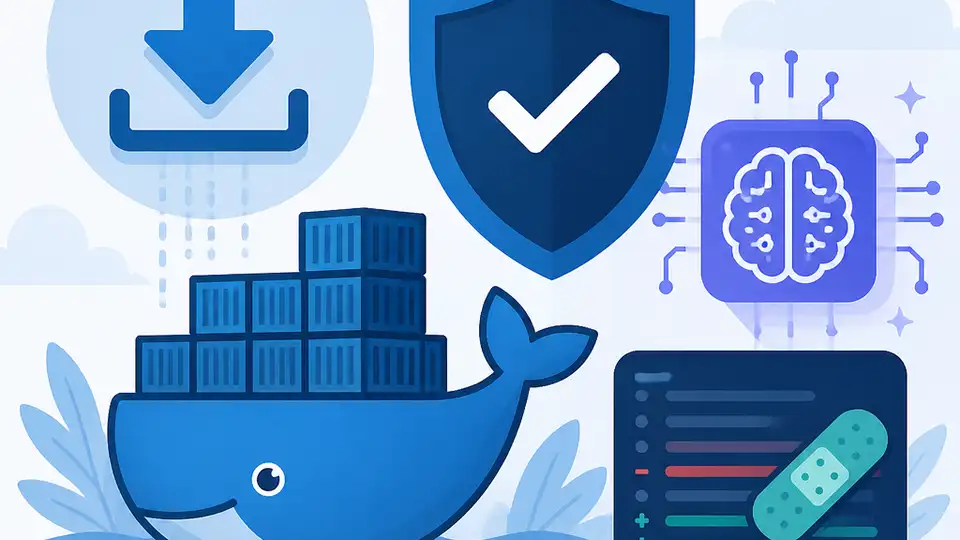
DockSec combines local container scans with AI to rank Docker vulnerabilities and suggest exact fixes.
18,000 downloads and 90 pull requests later, DockSec is moving from side project to community security tool. The open source project, led by Advait Patel and now part of the OWASP incubator portfolio, is built to help teams sort real Docker image risk from scanner noise and turn findings into concrete fixes.
| 項目 | 數值 |
|---|---|
| Downloads | 18,000 |
| Pull requests | 90 |
| Images scanned in example | 15 |
| High-severity vulnerabilities found | 183 |
| Critical vulnerabilities found | 15 |
| Vulnerabilities in Vault image | 40 |
What changed
Get the latest AI news in your inbox
Weekly picks of model releases, tools, and deep dives — no spam, unsubscribe anytime.
No spam. Unsubscribe at any time.
DockSec does not replace existing scanners. It runs Trivy, Hadolint, and Docker Scout locally, then uses an LLM to merge the results, remove duplicates, and rank issues by impact.
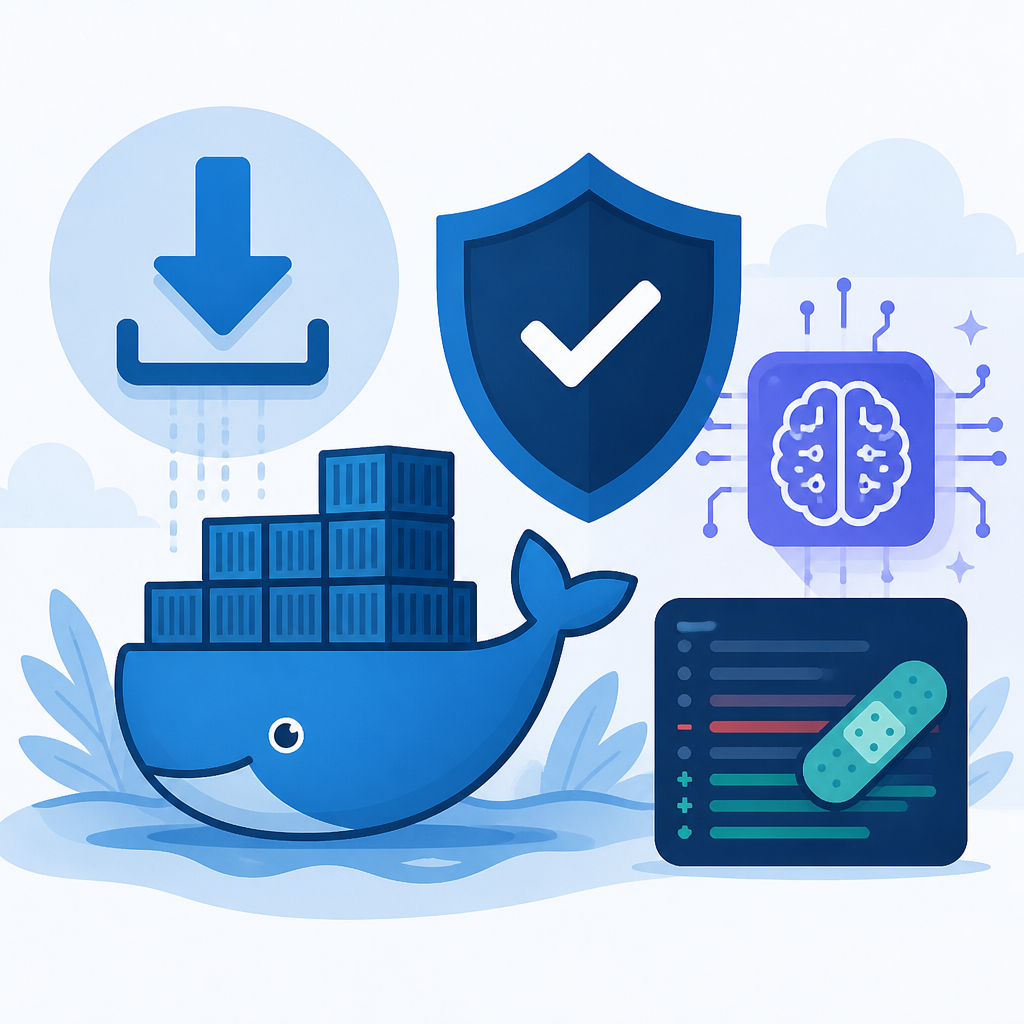
The point is not more alerts. Patel said a typical scan can return 200+ CVEs, many of them noise, while developers still need a short path to remediation. DockSec responds with plain-English guidance and exact Dockerfile edits in Markdown.
- Scanning stays local.
- Only scan metadata is sent to the LLM.
- Users can choose OpenAI, Anthropic, or Google Gemini.
- It can also run locally through Ollama.
The project was also shaped by a specific warning sign: software images can ship into Docker with unfixed vulnerabilities still inside them. Patel cited one scan of 15 images that found 183 high-severity issues and 15 critical ones.
Why it matters
For developers, DockSec tries to close the gap between detection and patching. That matters in CI/CD pipelines, where vulnerable images can be pulled into builds or deployed before security teams sort through scanner output.
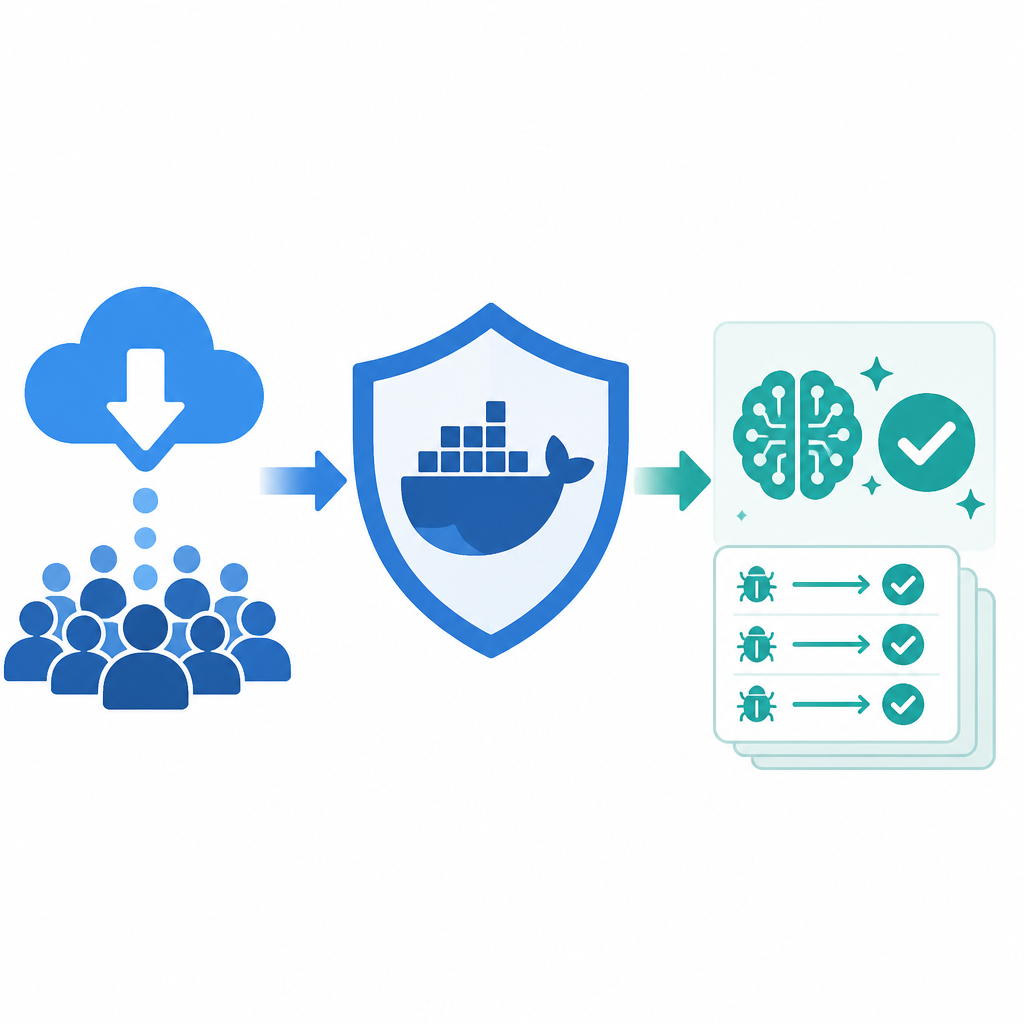
For the market, the project shows where AI tooling may be heading next: not just finding defects, but explaining which ones matter and how to fix them without sending image contents to a model.
OWASP backing also changes the trust profile. Patel said the incubator status brought more enterprise attention, better contributions, and a stronger expectation that the tool stay vendor-neutral and community-first.
The key question is no longer whether scanners can find more CVEs. It is whether tools like DockSec can help teams act on the few that matter before those images ship.
// Related Articles
- [TOOLS]
Nvidia and LG turn AI plans into a playbook
- [TOOLS]
Ollama is the best free AI path in 2026 for real work
- [TOOLS]
This MLOps list turns chaos into a stack
- [TOOLS]
BentoML turns model serving into Python APIs
- [TOOLS]
Magenta RealTime 2 lets you score in the DAW
- [TOOLS]
Open-source AI tools beat Claude’s paid tiers on value