Why Google DeepMind is winning the model talent war
Google DeepMind is winning the model talent war because it offers scale, research depth, and a path from Anthropic-style safety work to frontier training.
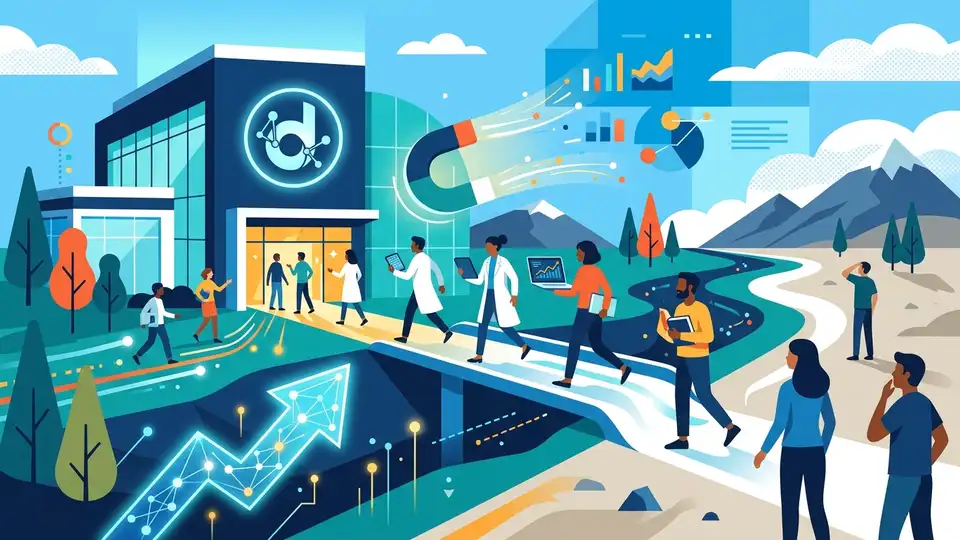
Google DeepMind is winning model talent by pairing frontier scale with serious research depth.
The clearest signal from the recent Yao Shunyu interview summary is not a product announcement or a benchmark claim. It is the career path itself: a researcher who moved from Anthropic to Google DeepMind, with the conversation explicitly contrasting him with Yao Shunyu, the other “Yao” often confused in Chinese tech circles. That distinction matters because it shows where serious model builders think the hardest problems now live. Anthropic represents one kind of frontier work, but Google DeepMind offers something more complete: the ability to do safety, systems, and core model research at industrial scale, all under one roof. That combination is why top talent keeps treating DeepMind as the destination, not just another stop.
Scale is now a research advantage, not just a cloud bill
Get the latest AI news in your inbox
Weekly picks of model releases, tools, and deep dives — no spam, unsubscribe anytime.
No spam. Unsubscribe at any time.
Frontier model work has crossed the line where brute compute is merely infrastructure. At this stage, scale shapes the research agenda itself. Teams that can run large experiments, compare many training runs, and iterate on architecture choices faster get to ask better questions. Google DeepMind has the advantage here because it sits inside Google’s compute and data ecosystem, which means researchers are not constantly negotiating for basic capacity before they can test an idea.
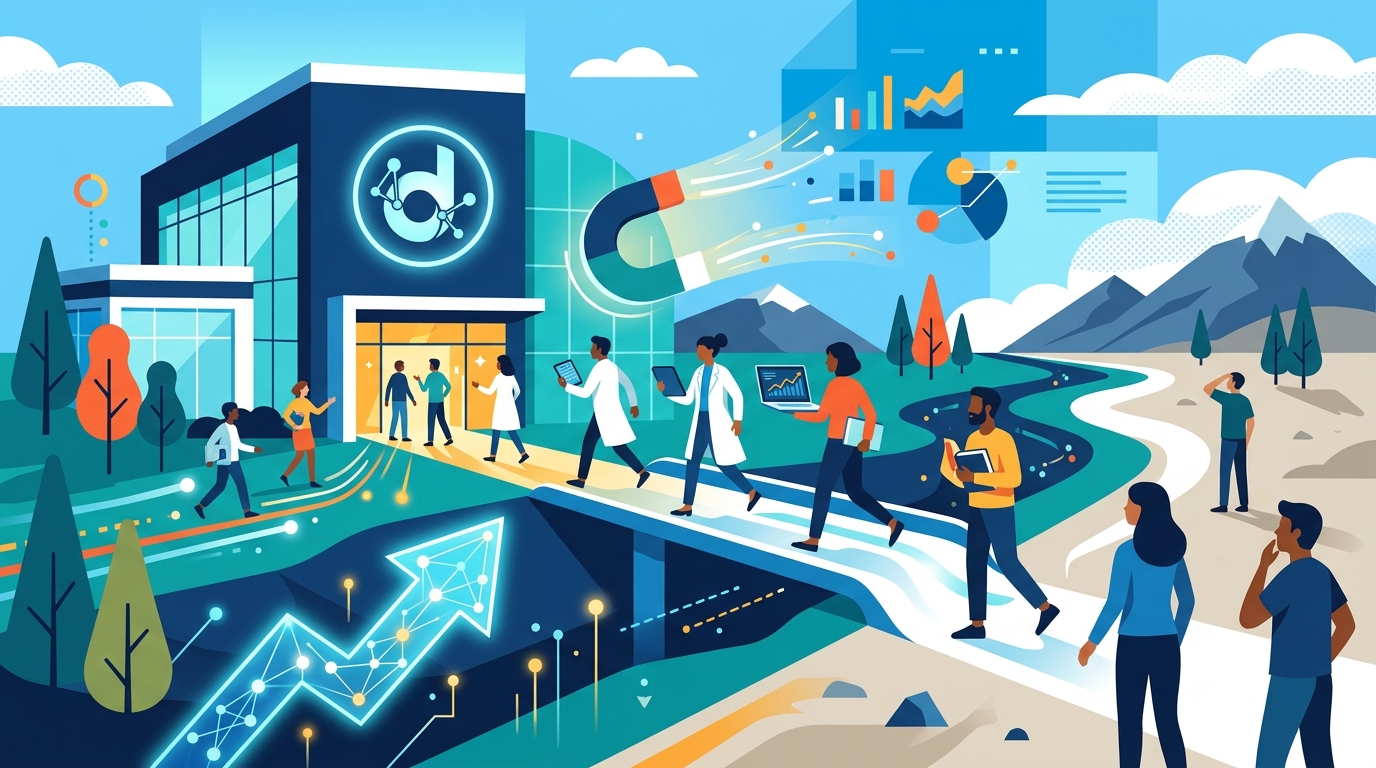
The practical result is simple: the best researchers want a lab where ambitious ideas can be tested at the edge of feasibility. Anthropic has built a strong reputation for disciplined model development, but DeepMind has something harder to replicate, namely a long-standing culture of large-scale scientific computing. That matters when the next gain comes from a subtle shift in training recipe, a new multimodal setup, or a more efficient way to use massive clusters. In model research, scale is no longer just about size. It is about velocity, and DeepMind has more of it than most rivals.
DeepMind still owns the strongest “research-first” brand in AI
Brand sounds superficial until you are recruiting people who can choose among the best labs in the world. Then brand becomes a filter for what kind of work a researcher believes is possible. DeepMind’s identity was built on hard science, not just shipping features. From AlphaGo onward, it has been the place where people expect deep technical bets, long time horizons, and serious publication culture. That reputation still carries weight, especially for people who want to work on foundational systems rather than only productized assistants.
The interview context reinforces that point because the move from Anthropic to DeepMind reads like a move toward a broader research canvas, not away from safety. Anthropic is respected for alignment and model behavior, but DeepMind gives researchers access to a wider set of problems: multimodality, agents, reasoning, robotics, and the infrastructure needed to train at the top end. For a top-tier researcher, that matters more than a narrow brand promise. If you want to shape the frontier, you go where the frontier is being defined across multiple dimensions at once.
The real competition is for people who can bridge alignment and capability
The most valuable researchers now are not pure capability maximizers or pure safety specialists. They are the ones who can move between the two without treating them as separate worlds. That is why the Anthropic-to-DeepMind path is so revealing. It suggests that the best talent is looking for organizations where safety is not an afterthought, but also where safety work is connected to the core model stack instead of being isolated from it.
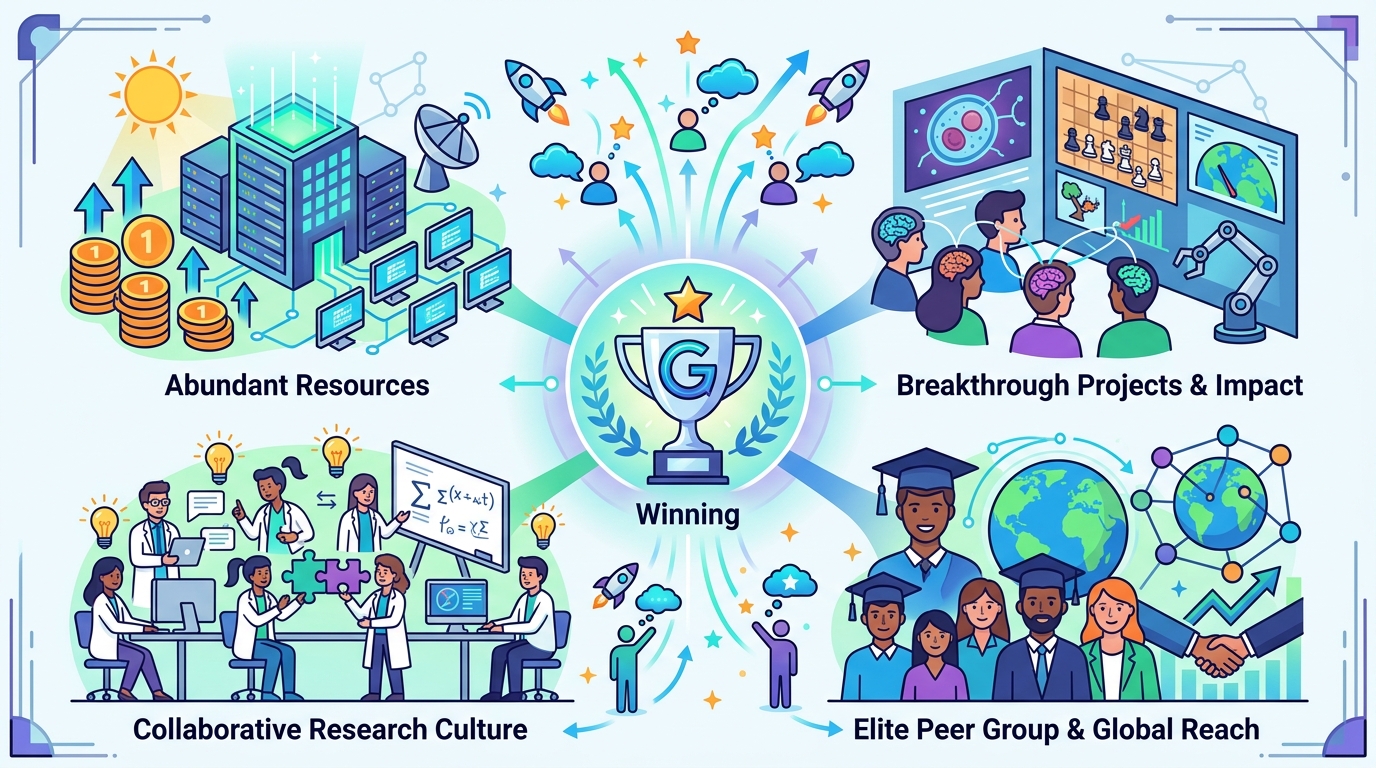
That is a major advantage for DeepMind. It can absorb people who care deeply about responsible AI while still giving them access to the most advanced training programs in the industry. In practice, this creates a better environment for building models that are both capable and controllable. A lab that can only optimize for one side of that equation will lose people over time. DeepMind’s edge is that it can credibly claim to work on both, and that is exactly the kind of place ambitious researchers want to join.
The counter-argument
Anthropic has a stronger case than its critics admit. It has a sharper identity, a tighter mission, and a reputation for taking alignment seriously in a way that feels central rather than decorative. For many researchers, that clarity is attractive. It reduces bureaucratic sprawl and gives the work moral and technical focus. In a field where many teams chase everything at once, a narrower mission can be a real advantage.
There is also a credible argument that DeepMind’s size can dilute focus. Big organizations often slow down, create overlapping teams, and bury researchers under coordination costs. A smaller lab can sometimes move with more coherence and fewer distractions. If the goal is to build a tightly controlled frontier lab with a strong safety culture, Anthropic has a real claim to being the cleaner environment.
But that counter-argument stops short of overturning the main point. DeepMind’s breadth is not a bug in this phase of AI; it is the point. The frontier now spans training, inference, multimodal systems, agents, evaluation, and deployment at once. A lab that can integrate those layers has a structural advantage over one that is more elegant but narrower. Anthropic’s focus is valuable, but DeepMind’s combination of scale, research depth, and organizational reach is what makes it the more magnetic destination for top model talent.
What to do with this
If you are an engineer, stop treating “best AI lab” as a generic label and start asking which environment matches the kind of problem you want to solve. If you want raw frontier exposure, large-scale experimentation, and a path into systems that shape the whole stack, DeepMind is the stronger choice. If you want a tighter mission and a more concentrated safety culture, Anthropic still deserves respect. But do not confuse brand sentiment with strategic reality. The labs winning talent are the ones that combine compute, research depth, and a credible path to impact, and right now Google DeepMind is the clearest example of that formula.
// Related Articles
- [IND]
WebX 2026 turns speaker hype into a conference brief
- [IND]
AI Weekly: 2026-07-06 ~ 2026-07-13
- [IND]
The AI Act should be treated as Europe’s operating system for AI
- [IND]
Booz Allen’s OpenAI Deal Is Real Advantage, Not Hype
- [IND]
OpenSearch’s vector search benchmark in 5 parts
- [IND]
Vector Databases That Work in Production