2026 Data Science Jobs for New Grads
A GitHub job board tracks 220 entry-level data science and ML roles in 2026, refreshed every 15 minutes.

There are 220 jobs in the zapplyjobs/New-Grad-Data-Science-Jobs-2026 repository, spread across 94 companies and refreshed every 15 minutes. For new grads chasing data science or machine learning roles, that kind of update cadence matters more than a glossy career page ever will.
The repo is plain HTML, but the signal is strong: 89 of the listed roles are tagged as Data Scientist, and the mix includes analytics engineering, ML research, quant-adjacent work, and internship listings. In other words, this is not a generic “jobs” dump. It is a live feed of where employers are actually opening doors for junior talent.
What this GitHub board is really showing
Get the latest AI news in your inbox
Weekly picks of model releases, tools, and deep dives — no spam, unsubscribe anytime.
No spam. Unsubscribe at any time.
New-Grad-Data-Science-Jobs-2026 is a curated job board built for people trying to break into data science, machine learning, analytics, and related roles in the US. The README says the list updates in real time, and the badge claims every 15 minutes, which is exactly the kind of freshness you want when roles can disappear in a day.

The board is also broader than the title suggests. You will find research scientist roles at places like Chan Zuckerberg Biohub, product and feature-engineering work at Ibotta, and entry-level roles from companies such as Visa and Lowe's. That mix tells you something useful: employers are hiring for applied analytics, research-heavy modeling, and operations work, not just “AI engineer” titles.
- 220 total jobs listed in the repo
- 94 companies represented
- 89 roles tagged Data Scientist
- Updated every 15 minutes
- More than one role from several employers, including Visa, Thermo Fisher Scientific, and Booz Allen Hamilton
The jobs are spread across very different bets
Some listings are clearly aimed at candidates with strong research or graduate-level backgrounds. Netflix has a Machine Learning Scientist 5 role for ad ranking, while Toyota Research Institute is hiring for robotics and adaptation work. On the more applied side, Adobe has a Data Science Engineer opening, and Applied Materials is looking for a Data Scientist focused on Agentic AI and ML.
That spread matters because it shows how uneven the entry-level market is. A new grad with SQL, Python, and dashboarding skills can compete for analytics roles, while a candidate with strong math, experimentation, and model-building experience may fit research postings. The board makes that split visible instead of hiding it behind one broad “data” label.
“You don't need to be a genius, you need to be disciplined.” — Andrew Ng
That quote from Andrew Ng fits this job board well. The listings reward consistency: shipping projects, learning the tools employers actually use, and applying early before roles close. The repo is less about inspiration and more about repetition with a timer attached.
How this compares with the usual job hunt
Most entry-level job searches are slow, fragmented, and stale. A board like this cuts through that by centralizing live roles and showing what is open right now. It also makes the market easier to scan by company, role, location, and posting age, which is far more practical than bouncing between dozens of company career pages.
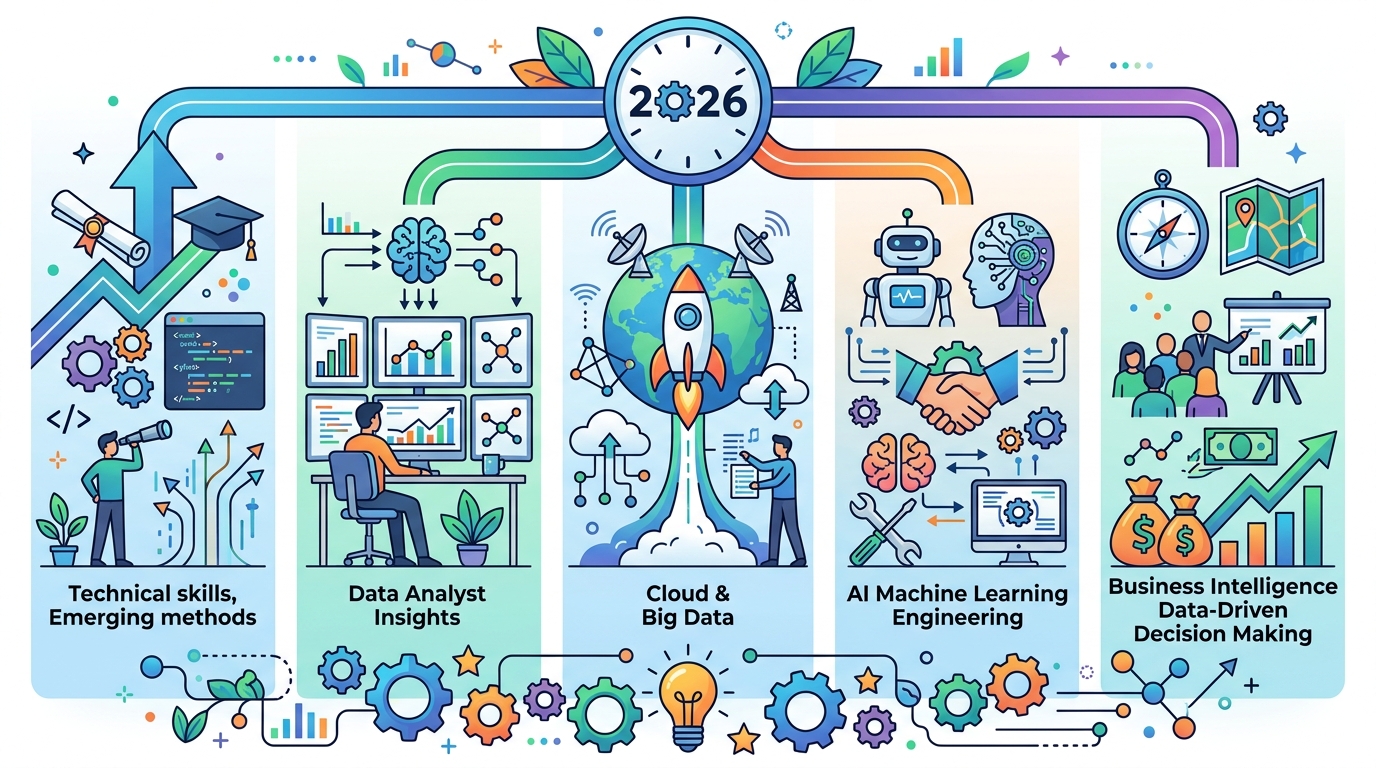
Compared with broad job sites, the repo is narrower but more actionable for this audience. If you are a new grad interested in data science, a generic platform may show thousands of irrelevant postings. Here, the signal is much tighter: the jobs are already filtered around analytics, ML, research, and quant-oriented work.
- GitHub repo: 220 roles, 94 companies, 15-minute refreshes
- LinkedIn Jobs: broader inventory, but far less specialized for new-grad DS/ML roles
- Lever and Greenhouse: many of the listings point to these ATS systems, which means the repo is effectively aggregating live employer postings
- Several roles are posted within hours, not weeks, which is the difference between a real opening and a dead listing
The repo also includes a Chrome extension and application-tracking tools under the Zapply umbrella, which suggests the project is trying to reduce the friction after you click apply. That is the right instinct. For new grads, the hard part is rarely finding one job. It is keeping up with dozens of applications without losing track of resume versions, referrals, and follow-ups.
Why this matters for 2026 applicants
If you are applying for data science jobs in 2026, this board gives you a simple edge: it lets you watch the market in near real time and spot patterns before everyone else does. If you keep seeing roles from Visa, Thermo Fisher Scientific, and Booz Allen Hamilton, that is a sign those employers are actively building junior pipelines.
My read is straightforward: new grads who treat this like a daily feed, not a one-time bookmark, will have a better shot at interviews. The next move is obvious too. Build a shortlist from the repo, match each role to one resume version, and apply the same day the posting appears. If a job board updates every 15 minutes, your application process should not update every two weeks.
For developers and data candidates, the bigger lesson is that the best job tools now look a lot like software: live data, filters, automation, and fast feedback loops. If you want more examples of that trend, keep an eye on related OraCore coverage of AI tools for job search and new-grad hiring trackers. In this market, speed is not a nice-to-have. It is the difference between being first in line and reading about the role after it is gone.
// Related Articles
- [TOOLS]
OpenClaw with Ollama turns Telegram into a bot
- [TOOLS]
Aliyun Bailian Token Plan turns credits into agents
- [TOOLS]
One API gateway turns six AI APIs into one
- [TOOLS]
OpenAI FDEs turn broken agents into shipped systems
- [TOOLS]
Anthropic’s daily brief turns news into a workflow
- [TOOLS]
Claude Reflect turns usage into retention