Claude Code Source Map Leak: What Happened
Anthropic shipped a 59.8 MB source map in Claude Code 2.1.88 on npm, exposing internal code details to anyone who pulled it.

A 59.8 MB JavaScript source map file slipped into version 2.1.88 of @anthropic-ai/claude-code on the public npm registry earlier today. Source maps are meant to help developers debug minified code, but when they ship in a public package, they can expose a lot more than intended.
In this case, the package linked to Claude Code, Anthropic’s coding assistant for terminals and developer workflows. The issue was not a server breach or a model dump. It was a packaging mistake, which is a very different kind of problem, but still one that can reveal internal implementation details to anyone who downloads the release.
That matters because code assistants are becoming deeply integrated into day-to-day development. When a popular tool ships debugging artifacts to the public registry, security teams, reverse engineers, and curious developers all get a closer look at how the product is built.
What a source map leak actually exposes
Get the latest AI news in your inbox
Weekly picks of model releases, tools, and deep dives — no spam, unsubscribe anytime.
No spam. Unsubscribe at any time.
A source map is a file that helps browsers and debuggers translate compressed or bundled JavaScript back into something readable. In normal development, that is useful. In public release builds, it can reveal original function names, file structure, comments, feature flags, and sometimes paths that point to internal systems.

The key detail here is size. A 59.8 MB source map is large enough to suggest a substantial amount of mapped code, not a tiny helper file. For a product like Claude Code, that can mean a broad view into how the client is organized and how requests, prompts, and local tooling are wired together.
That does not automatically mean secrets are exposed. But it does mean the package may give outsiders a much clearer picture of the product than Anthropic intended when it published version 2.1.88.
- Package: @anthropic-ai/claude-code
- Version involved: 2.1.88
- File type: JavaScript source map (.map)
- Reported size: 59.8 MB
- Registry: public npm
Why this kind of mistake keeps happening
Shipping source maps by accident is a classic release-process failure. It usually happens when build settings from development make their way into production packaging, or when a release checklist misses a file that should have been stripped before publish.
Anthropic has not publicly detailed how the file ended up in the package, at least not in the material available here. What we do know is that the package was pushed live with the extra artifact, and that is enough to raise questions about release hygiene for a product aimed at developers.
“The most important thing is to build systems that are resilient to human error.” — Satya Nadella
That quote is old, but it fits this situation well. A public package registry is one of the places where small mistakes become very visible very quickly. If a release pipeline lets a source map slip through once, teams usually need to ask whether the same pipeline could leak other debug files later.
For AI tooling vendors, the bar is higher than for a random side project. Their users are often security-conscious engineers who inspect dependencies, watch package diffs, and care about what gets shipped with every update.
How this compares with other package leaks
Source map leaks are common enough that most frontend and SDK teams have a story about one. The difference here is the product category. Claude Code is not a simple web app bundle; it is a developer tool that sits close to local machines, repos, and command execution.
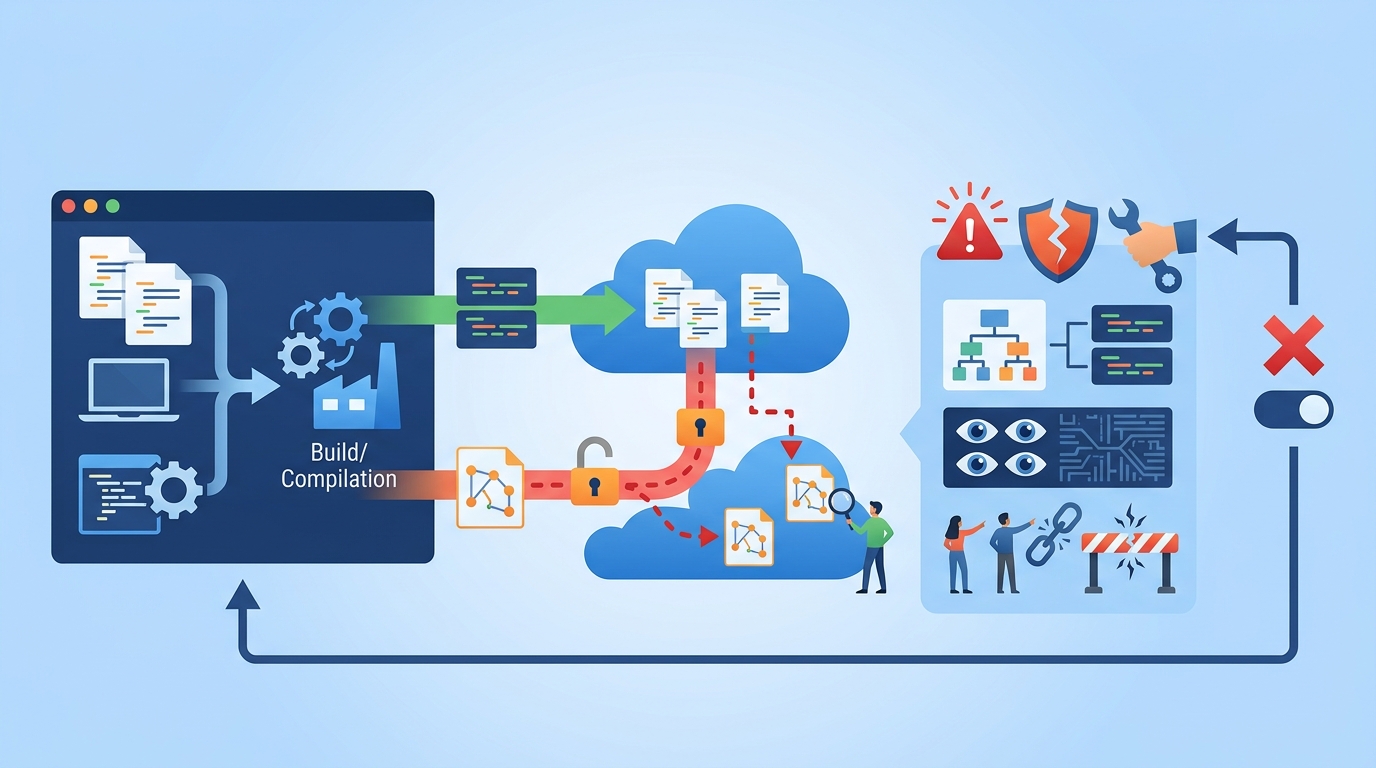
That makes the packaging details more interesting than usual. A leaked source map can expose implementation ideas, but in a developer agent product it can also hint at how the tool handles authentication, command orchestration, file access, and telemetry.
- Next.js has had many production builds where source maps needed careful handling; its docs recommend controlling map exposure in production builds.
- TypeScript and bundler-based SDKs often emit source maps by default, which means release scripts need explicit cleanup.
- Claude Code is more sensitive than a typical library because it interacts with developer workflows and local codebases.
- npm publishes artifacts exactly as uploaded, so packaging mistakes are visible to the whole ecosystem immediately.
What makes this incident worth paying attention to is not drama. It is the pattern. AI products are increasingly shipped as installable developer tools, and that means the old rules of frontend release discipline now apply to products that used to feel more like cloud services.
That shift has a practical consequence: every build artifact matters. A bundle diff, a map file, or an overlooked config file can reveal more about a product than a marketing page ever will.
What developers should watch for next
If you use Claude Code, the immediate question is whether version 2.1.88 has already been replaced or pulled back, and whether the exposed source map contains anything sensitive beyond normal implementation detail. The article source does not confirm that yet, so the safest assumption is that the package should be treated as an information exposure until Anthropic says otherwise.
For teams shipping their own packages, this is a reminder to audit release steps for debug artifacts, map files, and build outputs before publish. A clean release process is boring in the best way: fewer surprises, fewer public mistakes, and fewer late-night explanations.
If you maintain a developer tool, the next move is simple. Check your packaging config, verify what gets published to npm or another registry, and make sure source maps are either intentionally shipped or intentionally excluded. If you are a user, keep an eye on the package changelog and any follow-up notes from Anthropic before upgrading.
My bet: the real story here is not the leak itself, but how quickly AI coding tools will be judged by the same release discipline that security teams already expect from infrastructure software. The companies that treat packaging as part of product security will earn more trust. The ones that do not will keep handing out free code tours to the internet.
// Related Articles
- [TOOLS]
Aliyun Bailian Token Plan turns credits into agents
- [TOOLS]
One API gateway turns six AI APIs into one
- [TOOLS]
OpenAI FDEs turn broken agents into shipped systems
- [TOOLS]
Anthropic’s daily brief turns news into a workflow
- [TOOLS]
Claude Reflect turns usage into retention
- [TOOLS]
Midjourney turns prompt ideas into art