Context Is the New OS: Zettlab's Agent Computer
Zettlab is betting that personal data, not raw compute, will define the next PC. Its Agent Computer aims to run bots on your own context.
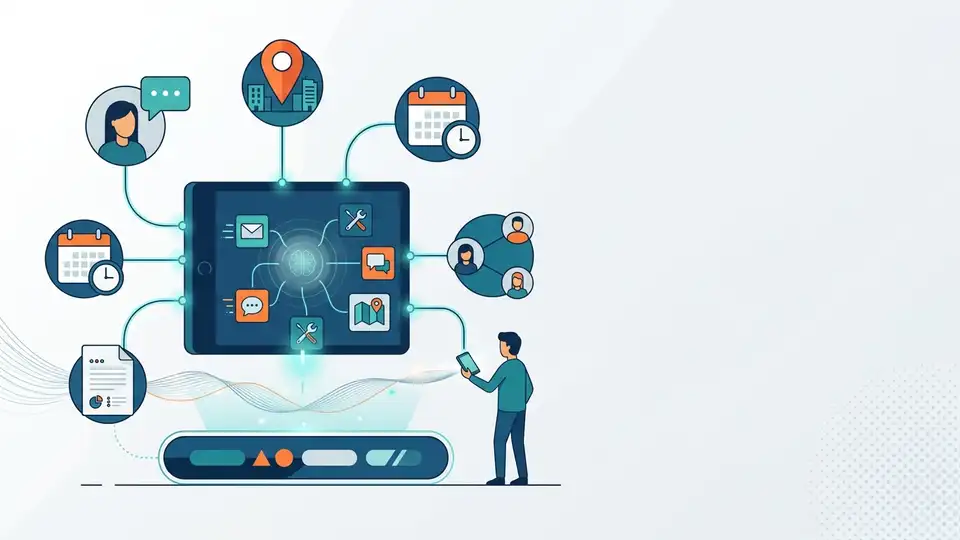
In 2023, the AI wave changed fast enough that郭亚楠 left his job and started building. After time at DJI and Narwal, he is now betting that the next personal computer will not be a laptop or a NAS, but an Zettlab Agent Computer.
That sounds like a branding exercise until you look at the claim behind it: the most valuable asset is not storage, but context. In his view, personal data is becoming the operating layer for AI agents, and the device that manages that data may matter more than the model running on top of it.
The pitch is simple to say and hard to build. Zettlab wants a box that stores your private data, understands it, organizes it, and feeds it to bots that work on your behalf. The company started with an AI NAS, but郭亚楠 says that was only the entry point.
From AI NAS to Agent Computer
Get the latest AI news in your inbox
Weekly picks of model releases, tools, and deep dives — no spam, unsubscribe anytime.
No spam. Unsubscribe at any time.
Zettlab’s first product won crowdfunding support and gave the team a real user base, but郭亚楠 says the company was never really trying to become a storage vendor. The early NAS product was a way to prove that personal data could be indexed, searched, and used locally at speed.
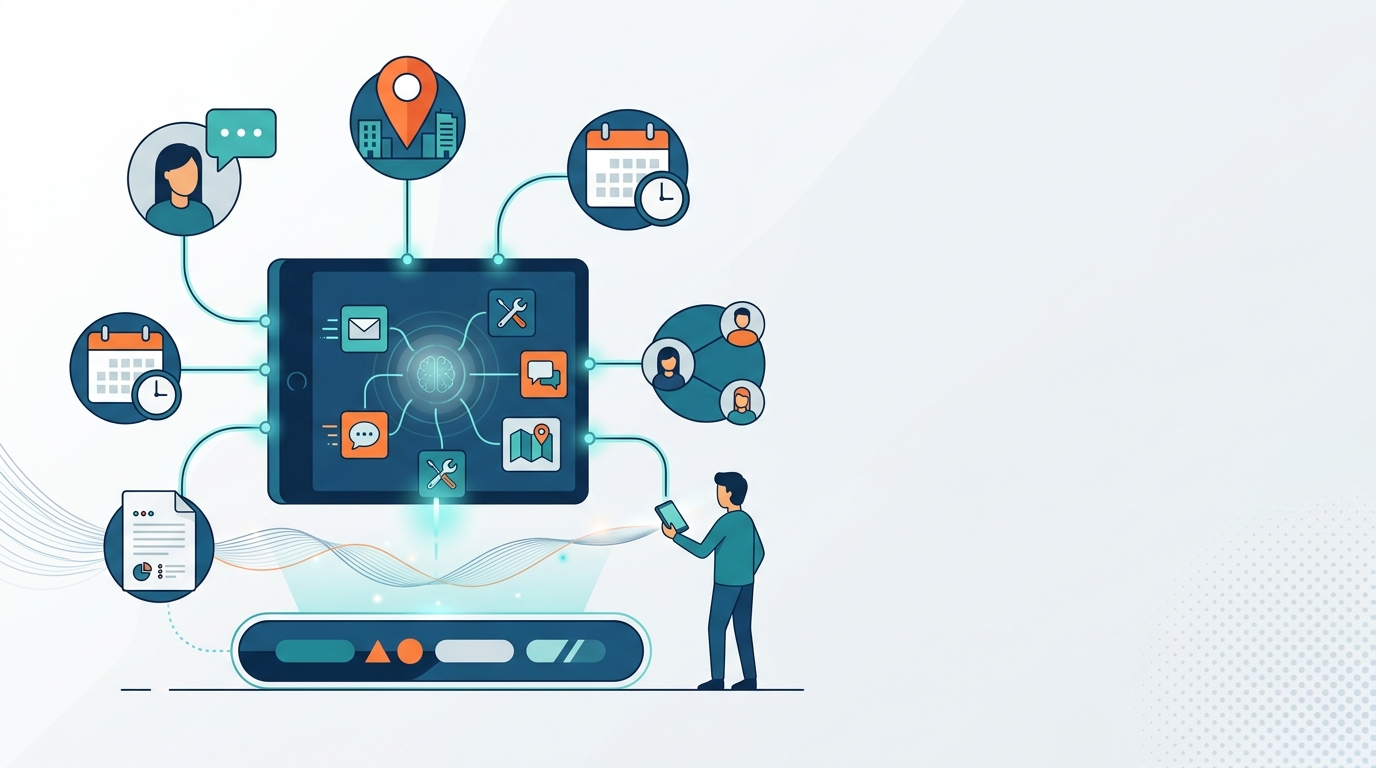
That matters because the old NAS category has a narrow job: keep files safe and accessible. Zettlab wants a device that treats those files as active material for agents. In that model, the box is not just where data lives. It is where data becomes usable context.
郭亚楠’s background explains why he thinks this way. At DJI, he saw how hardware, chips, manufacturing, and software all affect product outcomes. At Narwal, he worked closer to the ground on procurement, production, hiring, and product planning. That mix of system-level thinking and hardware execution shows up in how he talks about the product.
- Zettlab says its first product can index and retrieve from up to 10 million videos in seconds.
- The company’s current direction shifts from heavy storage to heavier local computation.
- Its next product is expected within months, according to the interview.
- The target user base expands beyond storage-heavy creators and engineers into lighter personal-data users.
The company’s logic is tied to a bigger shift in how people create data. Text was the dominant format for years, then images took over much of social sharing, and now video is becoming the default personal media type. Zettlab thinks the next wave is even broader: multimodal personal data that needs to be searched, summarized, and acted on by agents.
That is why the team moved from “AI NAS” to “Agent Computer.” The first phrase suggests a smarter storage box. The second suggests a new category of personal computing, where the main consumer of the device is a bot, while the human remains the decision-maker.
Why context matters more than storage
The strongest part of郭亚楠’s argument is also the least flashy: storage alone is no longer enough. If a device can hold your files but cannot turn them into useful context for a model, it is only solving part of the problem.
He argues that the real unit of value is the ability to prepare private data for AI use. That includes retrieval, structuring, memory, and permissions. In other words, the storage layer is turning into a context layer.
This is where Zettlab’s pitch gets more technical. The company says it can do multimodal retrieval locally, including frame-level search inside large video libraries. It also supports multiple languages and can process different data types from images, audio, and text embedded in documents.
“I firmly believe personal data has infinite value, and data ownership should be controlled by users themselves.” — 郭亚楠, as quoted in the original interview with 极客公园
That quote captures the core idea better than any product slide. Zettlab is not trying to make data bigger. It is trying to make data portable, useful, and agent-ready without handing control to a cloud platform.
There is also a practical reason this story is gaining traction now. The rise of tools like LangChain and agent-style workflows has made it obvious that the bottleneck is not only model intelligence. It is also access to the right context at the right time. If the data is messy, private, or trapped in local files, the agent is weaker.
- Zettlab says its first-generation product can find a frame inside a huge video library in 2 to 3 seconds.
- The company supports 9 languages for its retrieval workflows.
- Its design direction now favors light storage and heavier compute, the reverse of classic NAS thinking.
- OpenAI’s Deep Research and similar tools show how much better agent workflows get when they can use personal context.
How this compares with today’s AI hardware
Zettlab’s idea makes more sense when compared with the current crop of AI devices. Many products try to run models locally, but郭亚楠 says that is not the right split of labor. In his view, the device should do what it is good at: preprocessing, organizing, and protecting private data. Heavy reasoning and task planning can move between device and cloud.
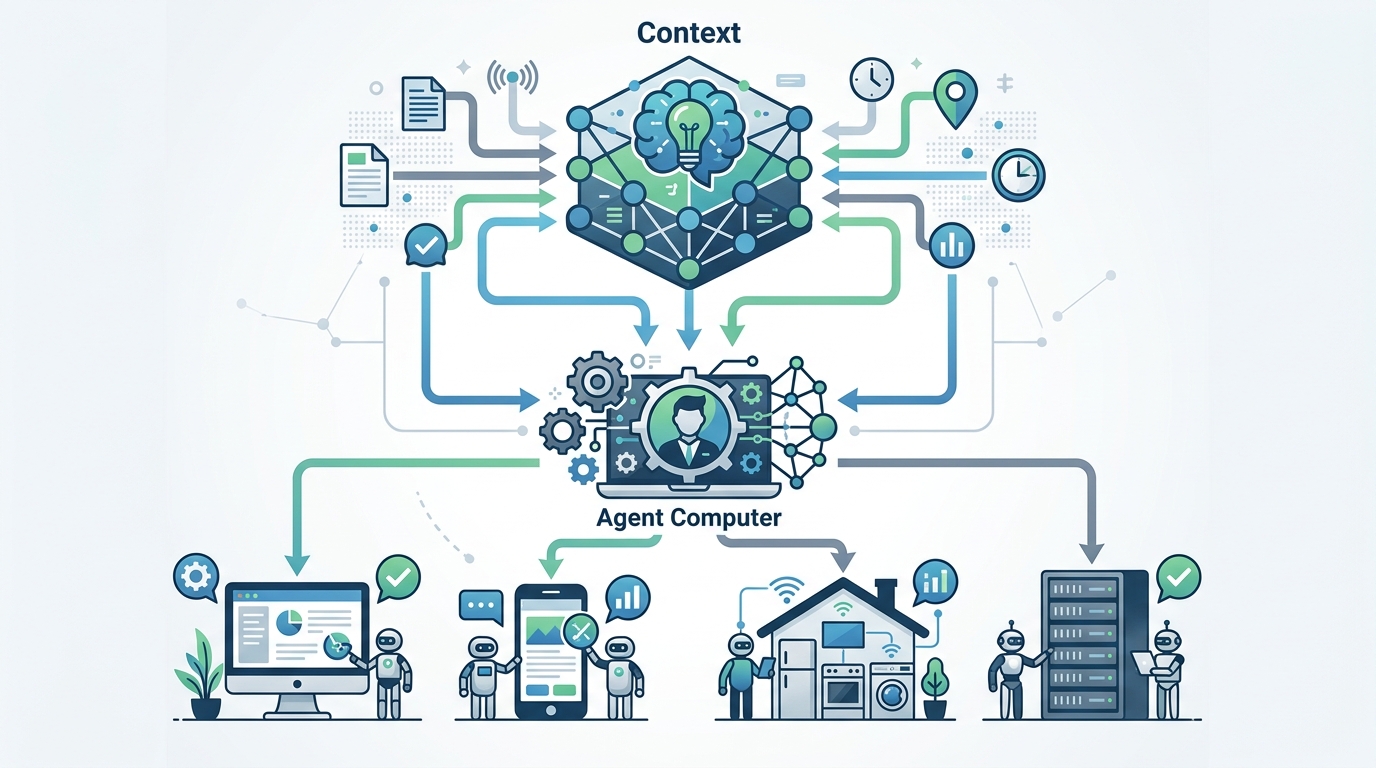
That division is also why he keeps talking about end-cloud cooperation. A phone can capture a video, but uploading several gigabytes just to edit or analyze it is slow and often painful. A local device can prepare the data first, then send only what is needed upstream.
That sounds similar to how iPhone users expect the camera roll to stay local until they choose otherwise, but Zettlab wants to go much further. It wants the device to understand the data, not just store it.
- Classic NAS products optimize for storage capacity and file access.
- Consumer AI PCs often optimize for local model demos or developer workflows.
- Zettlab is aiming at private data processing, agent memory, and task execution.
- OpenAI’s ChatGPT, Claude, and similar tools still depend heavily on cloud context, which makes local data ownership harder.
That comparison matters because it shows where the category might split. One branch of AI hardware tries to shrink the cloud experience into a box. The other tries to make the box the center of personal data and agent memory. Zettlab clearly wants the second path.
There is a business angle too. If users can swap models freely, as郭亚楠 suggests, then the durable value sits in the data layer, permissions, and workflow memory. That makes the device more like a personal data operating environment than a one-off AI gadget.
What Agent Computer means for the next wave of personal computing
The most interesting part of the interview is not the product tease. It is the claim that “Context is the new OS.” That line is easy to dismiss until you think about how modern software already works. The app layer matters less when agents can call tools directly, and the interface matters less when bots can do the clicking.
In that world, the old PC stack starts to look dated. CPUs and GPUs still matter, but the center of gravity moves toward data access, memory, permissions, and agent coordination. The winner is the system that can keep personal context useful without making users babysit it.
Zettlab’s bet is that people will want a device that feels ready on day one, with skills preloaded and private data under user control. That is a sensible bet if agent workflows keep spreading into research, editing, scheduling, and knowledge work.
The harder question is whether consumers will accept a new category name, or whether the product will only make sense once it is visible in daily work. If Zettlab can make private context as easy to use as a phone camera, the category has a shot.
My guess is that the next 12 to 18 months will decide whether “Agent Computer” becomes a real product class or just a sharp phrase from an interview. If Zettlab ships a box that handles private data, bot memory, and local preprocessing well, other hardware teams will copy the playbook fast. If not, the market will keep calling everything “AI NAS” until someone proves the new label has teeth.
Either way,郭亚楠 is pointing at a real shift: the valuable thing is no longer just where your files sit. It is how well your device turns those files into context that an agent can actually use.
// Related Articles
- [TOOLS]
Aliyun Bailian Token Plan turns credits into agents
- [TOOLS]
One API gateway turns six AI APIs into one
- [TOOLS]
OpenAI FDEs turn broken agents into shipped systems
- [TOOLS]
Anthropic’s daily brief turns news into a workflow
- [TOOLS]
Claude Reflect turns usage into retention
- [TOOLS]
Midjourney turns prompt ideas into art