Lovable brings vibe coding to iPhone and Android
Lovable’s AI app builder is now on iPhone and Android, even after Apple tightened rules around vibe-coding apps.

Lovable’s AI app builder is now available on iPhone and Android.
Lovable just shipped its vibe-coding app to Apple’s App Store and Google Play, and the timing matters. Apple has spent the past few weeks tightening the rules around apps that generate code, yet Lovable still made it through with a mobile experience aimed at turning rough ideas into working web products.
| Detail | What Lovable says | Why it matters |
|---|---|---|
| Platforms | iOS and Android | Mobile access widens usage beyond desktop |
| Input methods | Voice or text prompts | Lets users capture ideas quickly |
| Output | Working websites or web apps | Fits Apple’s current review rules |
| Workflow | Switch between phone and computer | Supports projects that span devices |
Lovable’s pitch is simple: build while the idea is fresh
Get the latest AI news in your inbox
Weekly picks of model releases, tools, and deep dives — no spam, unsubscribe anytime.
No spam. Unsubscribe at any time.
The new app is aimed at people who get an app idea while they are away from a laptop. Instead of waiting to sit down and type it out later, users can speak or type a prompt into the phone and let Lovable’s agent start the work.
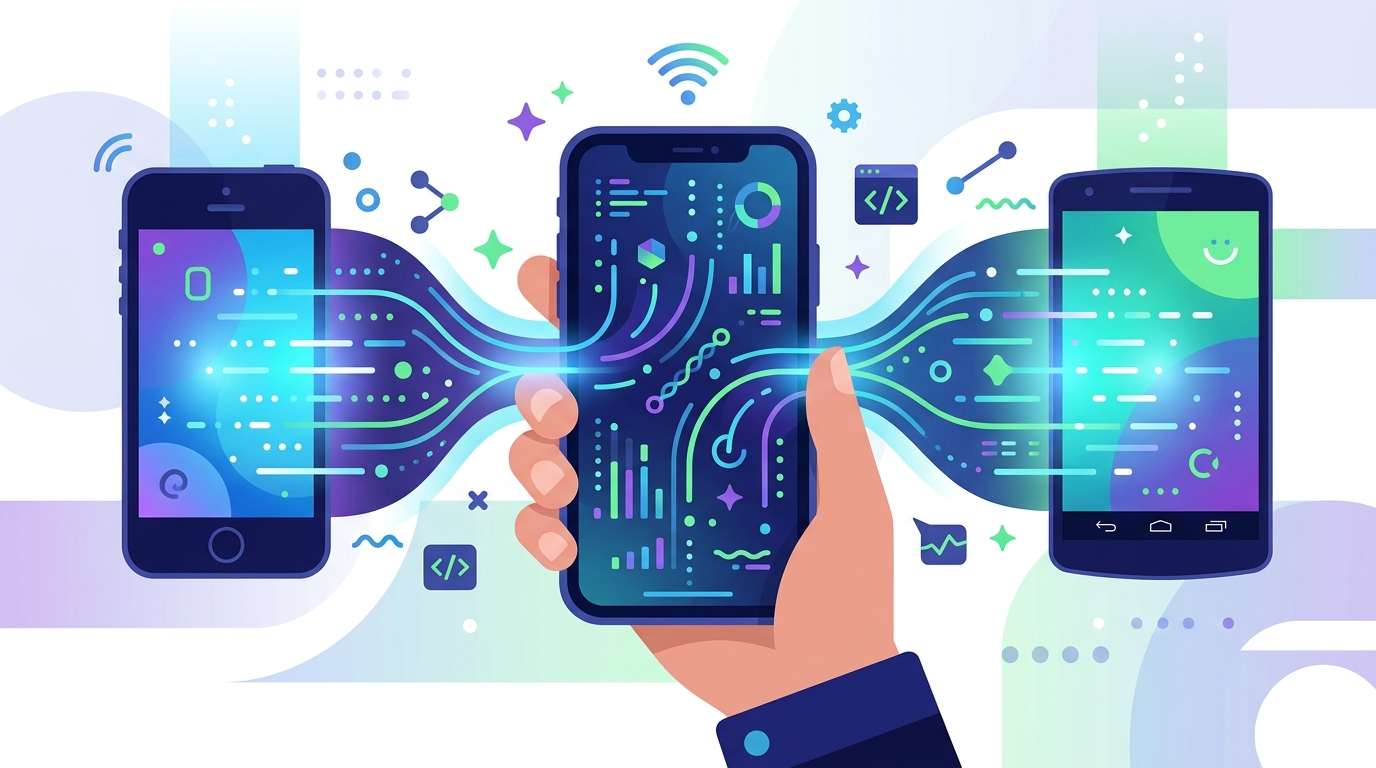
That matters because mobile is where a lot of half-formed product ideas happen. A founder on a train, a designer in a meeting, or a developer walking home can capture the concept before it fades. Lovable is betting that speed matters more than a polished interface at the first step.
The company’s mobile app also lets users jump back and forth between devices. Start a project on the phone, continue on a desktop, then get a notification when the build is ready for review. That workflow is the real product here, not the app icon on the home screen.
- Voice and text prompts are the main input methods.
- Projects can move between phone and desktop.
- Users get alerts when a build finishes.
- The app focuses on websites and web apps.
Apple’s new rules shaped the launch
Lovable’s launch lands right after Apple cracked down on vibe-coding apps that download new code or change behavior after review. Apple blocked updates to Replit and Vibecode, and it temporarily removed Anything before the app returned with changes.
Apple’s concern is easy to understand. If an app can pull in new code or alter its own functionality after approval, App Review cannot fully inspect what users are installing. That creates a security problem, especially for tools that are effectively building other apps on the fly.
Apple wasn’t banning vibe-coding apps themselves, but it won’t allow apps that download new code or change their functionality, as that presents a security risk to end users.
Lovable appears to have adjusted to that reality. TechCrunch reports that the new app pitches users on turning ideas into “working websites or web apps,” which is a narrower promise than running generated apps inside the host app itself.
That distinction is the whole story here. The mobile app can still be useful for drafting, iterating, and sending work to the browser, but it has to avoid the kind of in-app execution Apple flagged as risky.
Why this launch matters for vibe coding
Vibe coding has become a useful label for a very specific behavior: describing an idea in plain language and letting AI turn that into code or a prototype. The category has been growing fast because it removes a lot of the early friction from app creation.
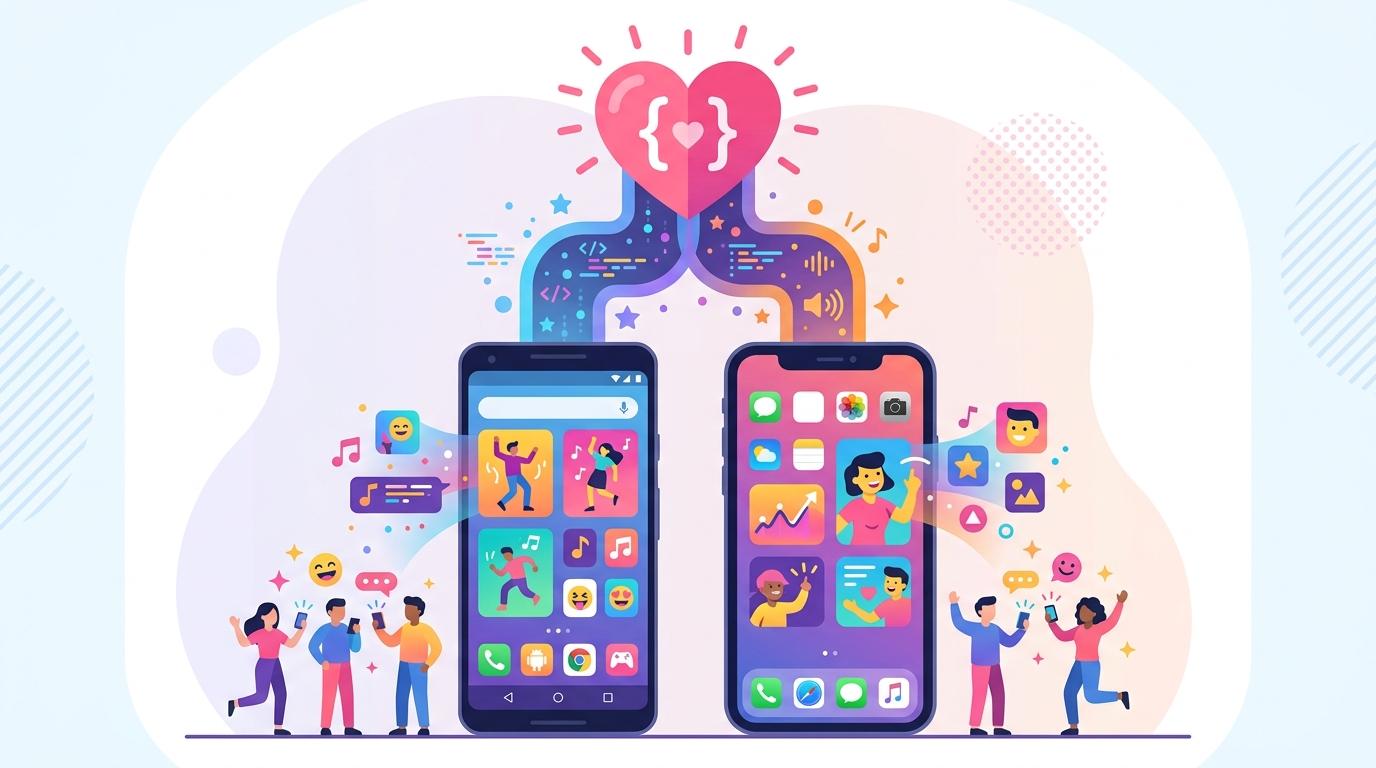
Lovable’s move makes sense because mobile is where casual creation happens, while desktop is where serious editing still happens. The company is trying to own both parts of that loop. If it works, the phone becomes the intake form and the computer becomes the workshop.
- Replit was blocked from updates by Apple.
- Vibecode also faced update restrictions.
- Anything returned after making changes.
- Apple’s App Store Review Guidelines now matter more for AI builders than before.
There is also a bigger strategic angle. If Apple keeps drawing a line between AI-assisted creation and apps that mutate after approval, mobile AI builders will need to design around browsers, previews, and cloud workflows. Lovable seems to have accepted that constraint rather than fight it.
For users, that probably means fewer flashy in-app demos and more practical handoff between devices. For the company, it means staying inside the App Store rules while still selling the promise of faster product creation.
The real test is whether people keep building on their phones
The launch is less about novelty and more about habit. If people actually start capturing app ideas on their phones and continuing them later on desktop, Lovable will have found a useful workflow. If they still prefer to start from a laptop, the mobile app becomes a convenience feature instead of a core product.
My bet is that the app matters most for early-stage founders, product managers, and indie builders who already think in prototypes. Those are the users most likely to treat a phone as an idea collector and a browser as the place where the real work happens.
The next question is whether Lovable can keep that workflow useful without crossing Apple’s line. If it can, other AI app builders will copy the same pattern: mobile for capture, web for execution, and the App Store for distribution.
That is the practical takeaway from this launch. Lovable did not beat Apple’s rules; it adapted to them, and that may be the smarter move for every vibe-coding tool that wants a place on iOS and Android.
// Related Articles
- [TOOLS]
Aliyun Bailian Token Plan turns credits into agents
- [TOOLS]
One API gateway turns six AI APIs into one
- [TOOLS]
OpenAI FDEs turn broken agents into shipped systems
- [TOOLS]
Anthropic’s daily brief turns news into a workflow
- [TOOLS]
Claude Reflect turns usage into retention
- [TOOLS]
Midjourney turns prompt ideas into art