OpenAI’s Codex Plugin Lands in Claude Code
OpenAI shipped a Codex plugin for Claude Code on March 30, putting its coding agent inside Anthropic’s terminal tool.
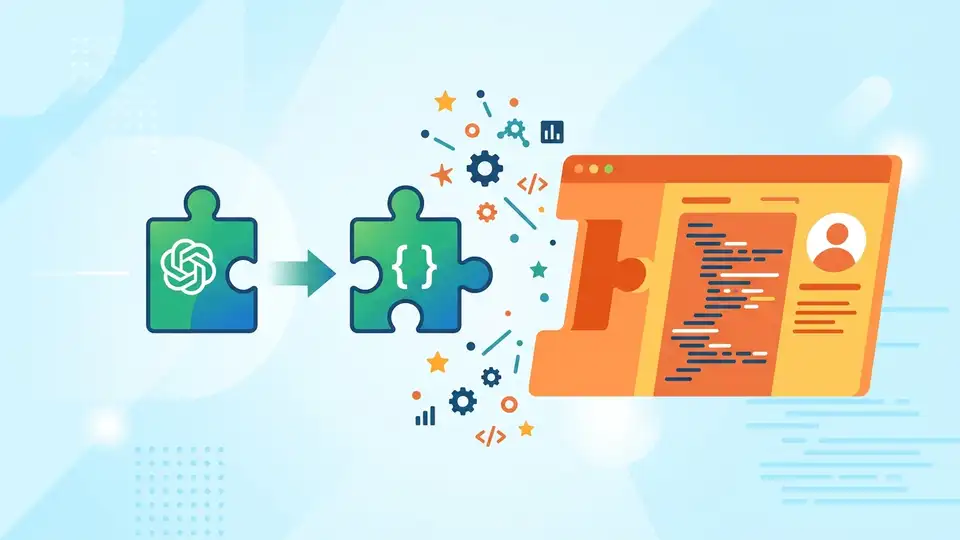
On March 30, 2026, OpenAI published codex-plugin-cc, an official plugin that lets people use Codex inside Claude Code. That is a strange sentence to write, and it matters because it puts OpenAI’s coding agent directly into Anthropic’s developer toolchain.
The move is interesting for a simple reason: developers do not care which lab owns the logo if the tool saves time. They care about terminal workflows, repo access, and whether the agent can actually get work done without turning a small edit into a long debugging session.
What OpenAI shipped
Get the latest AI news in your inbox
Weekly picks of model releases, tools, and deep dives — no spam, unsubscribe anytime.
No spam. Unsubscribe at any time.
codex-plugin-cc is an integration layer, not a new model. It lets Claude Code call into OpenAI’s Codex agent so users can keep working in the same terminal-first interface while switching the underlying coding brain.
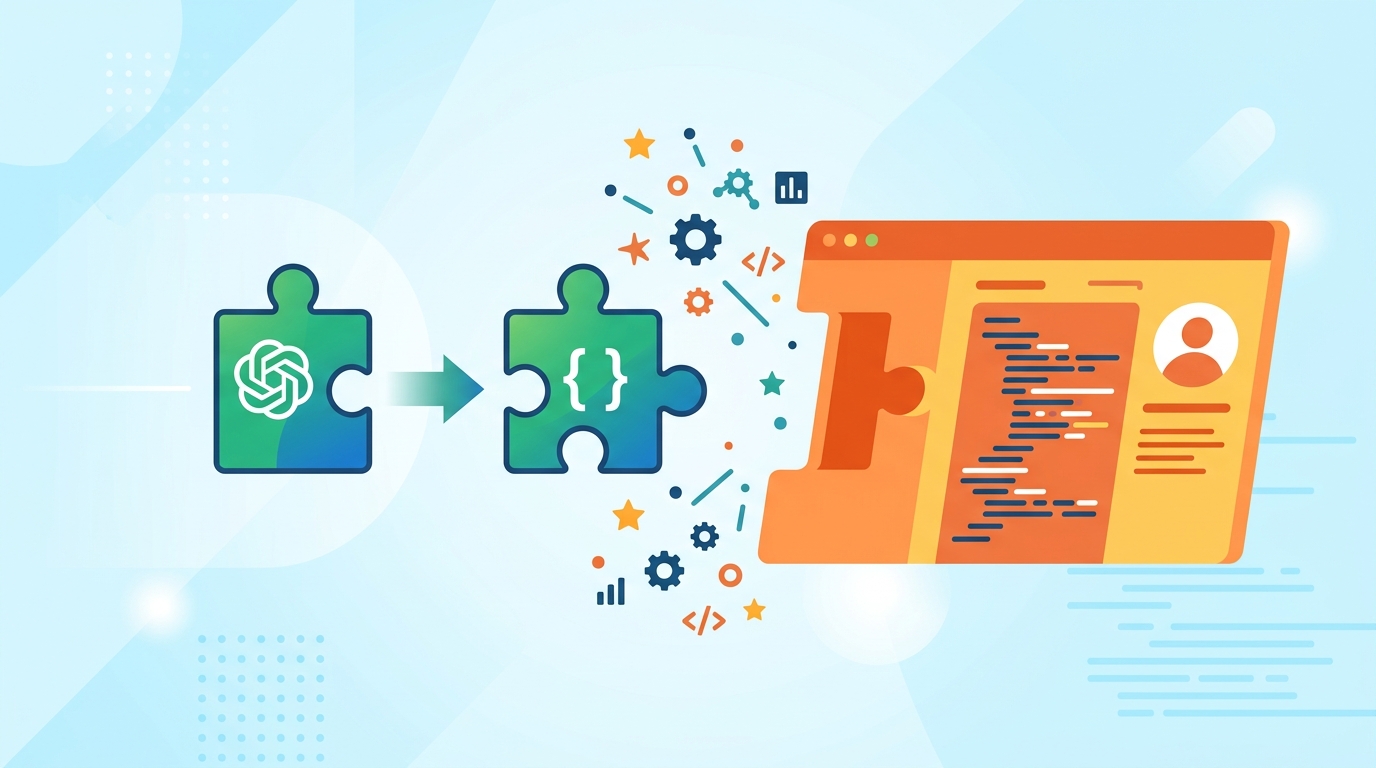
That matters because terminal-based agents have become the default for a lot of serious coding work. They sit close to the repo, can inspect files, run commands, and patch code without forcing the developer into a separate chat window or web app.
OpenAI’s decision also says something about distribution. Instead of asking developers to abandon their current setup, the company brought Codex to where many power users already spend their time. That is a practical play, and it is easier to adopt than a fresh app that asks for a full workflow reset.
- Launch date: 2026-03-30
- Project: codex-plugin-cc
- Target environment: Claude Code
- Owner: OpenAI
- Category: coding agent integration
Why this release got people talking
The surprise is not that OpenAI built a plugin. The surprise is where it put it. Claude Code is one of the most visible terminal agents in the market, and OpenAI chose to meet users there instead of demanding a separate environment.
That kind of cross-ecosystem move is a strong signal that the coding-agent market is getting more practical and less tribal. If a developer prefers Claude Code’s interface but wants Codex’s behavior for a specific task, the plugin makes that mix possible.
It also hints at a broader shift in how AI tools are packaged. The model itself is no longer the whole story. The wrapper, the CLI, the permissions model, and the repo workflow matter just as much because they decide whether the agent is useful for real work or just impressive in demos.
“We’re not building a chatbot. We’re building an agent that can do things.” — Sam Altman, OpenAI DevDay 2024 keynote
That quote fits this release better than a generic product slogan would. The plugin turns that idea into something concrete: a coding agent that can live inside another company’s developer tool and still feel native enough to use.
How it compares with other coding tools
OpenAI’s plugin approach is different from the more closed path many vendors take. Instead of forcing a single environment, it lets Codex plug into an existing one. That is a useful contrast with tools that ask you to switch tabs, contexts, or even your whole editor setup.
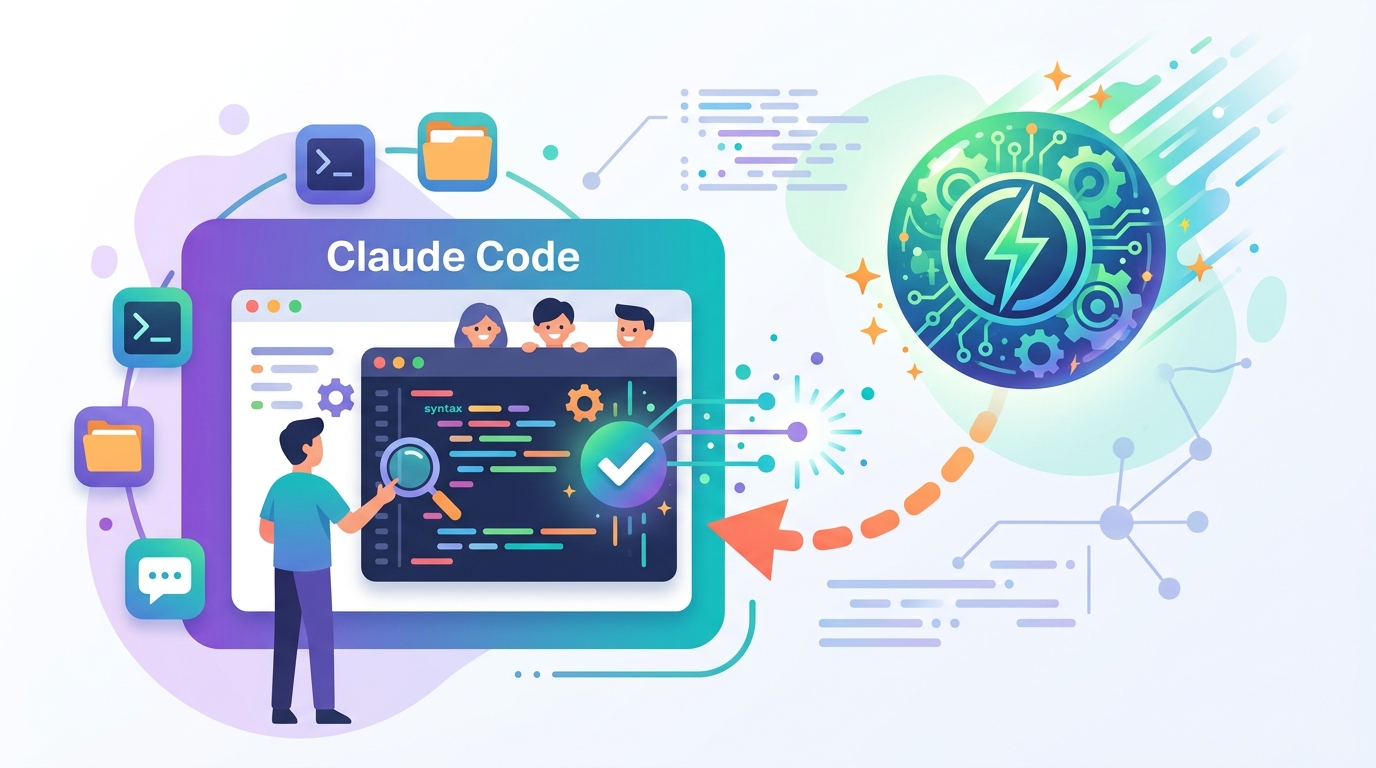
For developers, the comparison comes down to friction. If a tool can drop into a terminal workflow, it often wins over a prettier interface that slows you down. That is especially true for repo editing, command execution, and iterative debugging where speed matters more than polish.
- codex-plugin-cc: brings Codex into Claude Code
- Claude Code: terminal-first coding agent from Anthropic
- Codex: OpenAI’s coding agent family
- GitHub Copilot: tightly integrated with GitHub and editors
- Cursor: editor-centric AI coding tool
Those products all target coding help, but they make different tradeoffs. GitHub Copilot lives close to the editor, Cursor wraps the editor itself, and Claude Code pushes hard on terminal workflows. OpenAI’s plugin says the interface boundary is less important than the model and the task.
What this means for developers
For developers, the practical takeaway is simple: agent choice is becoming modular. You may keep one interface, another model, and a third-party workflow tool, all in the same stack. That gives teams more room to test what actually works instead of accepting the defaults from one vendor.
It also creates a new kind of competition. Labs are no longer just fighting to ship the smartest model. They are also fighting to become the easiest engine to drop into someone else’s workflow. That is a very different product battle, and it favors teams that can ship integrations quickly.
If this kind of plugin support catches on, the next wave of coding tools may look less like isolated apps and more like interchangeable components. The real question is which agent becomes the one developers trust enough to let touch their repositories first.
My bet: the winners will be the tools that reduce context switching, keep command-line control, and make it easy to swap models without rewriting the whole workflow. If OpenAI keeps opening Codex this way, the next big move may be a plugin ecosystem where the model matters less than the path it takes into your terminal.
For now, codex-plugin-cc is a small release with a big signal. It says the coding-agent market is moving toward interoperability, and developers should start asking a sharper question: which AI tool fits my workflow today, and which one can I replace tomorrow?
// Related Articles
- [TOOLS]
Aliyun Bailian Token Plan turns credits into agents
- [TOOLS]
One API gateway turns six AI APIs into one
- [TOOLS]
OpenAI FDEs turn broken agents into shipped systems
- [TOOLS]
Anthropic’s daily brief turns news into a workflow
- [TOOLS]
Claude Reflect turns usage into retention
- [TOOLS]
Midjourney turns prompt ideas into art