Red Hat’s Tank OS makes OpenClaw safer in enterprise
Red Hat engineer Sally O’Malley’s Tank OS wraps OpenClaw in rootless Podman containers, aiming to make enterprise agent fleets easier to control.
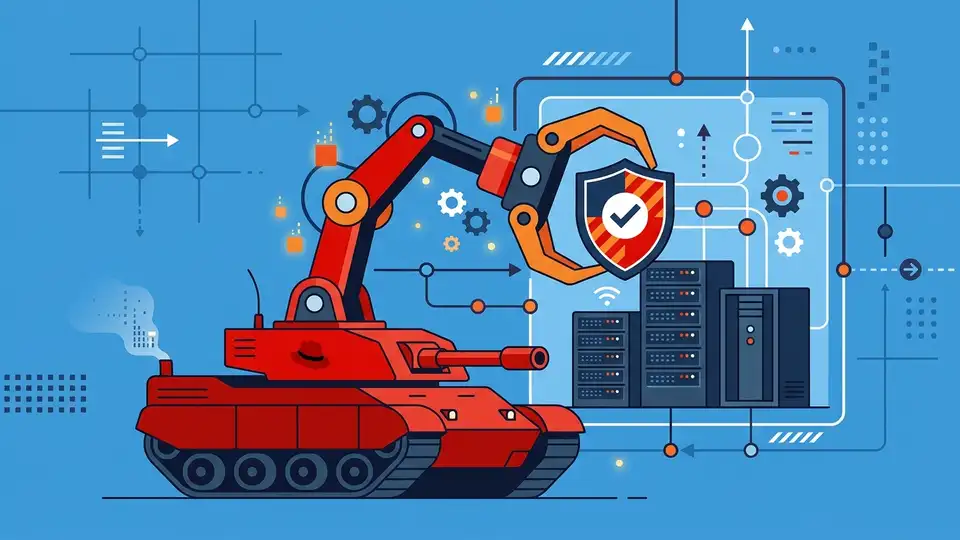
Red Hat principal software engineer Sally O’Malley has released Tank OS, a new open source tool built to make OpenClaw deployments safer for enterprise teams. Her pitch is simple: if companies are going to run AI agents on real laptops and servers, they need a way to isolate them, update them, and keep credentials from spilling everywhere.
The timing matters. OpenClaw is already being adopted by power users and IT teams, and O’Malley says she built Tank OS after thinking about what happens when “millions of these autonomous agents” start talking to one another across corporate machines.
Tank OS is not a toy wrapper. It packages OpenClaw inside Podman, Red Hat’s rootless container tool, and turns that container into a bootable image on Fedora Linux. That design matters because it keeps the agent away from the host system while still giving it the state, API keys, and other pieces it needs to work on its own.
Why Red Hat cares about OpenClaw now
Get the latest AI news in your inbox
Weekly picks of model releases, tools, and deep dives — no spam, unsubscribe anytime.
No spam. Unsubscribe at any time.
O’Malley is not a random contributor shipping a weekend side project from the sidelines. She is an OpenClaw maintainer, which means she works with creator Peter Steinberger on feature and bug decisions. She focuses on enterprise use cases and on making OpenClaw behave better with Red Hat’s Linux stack.
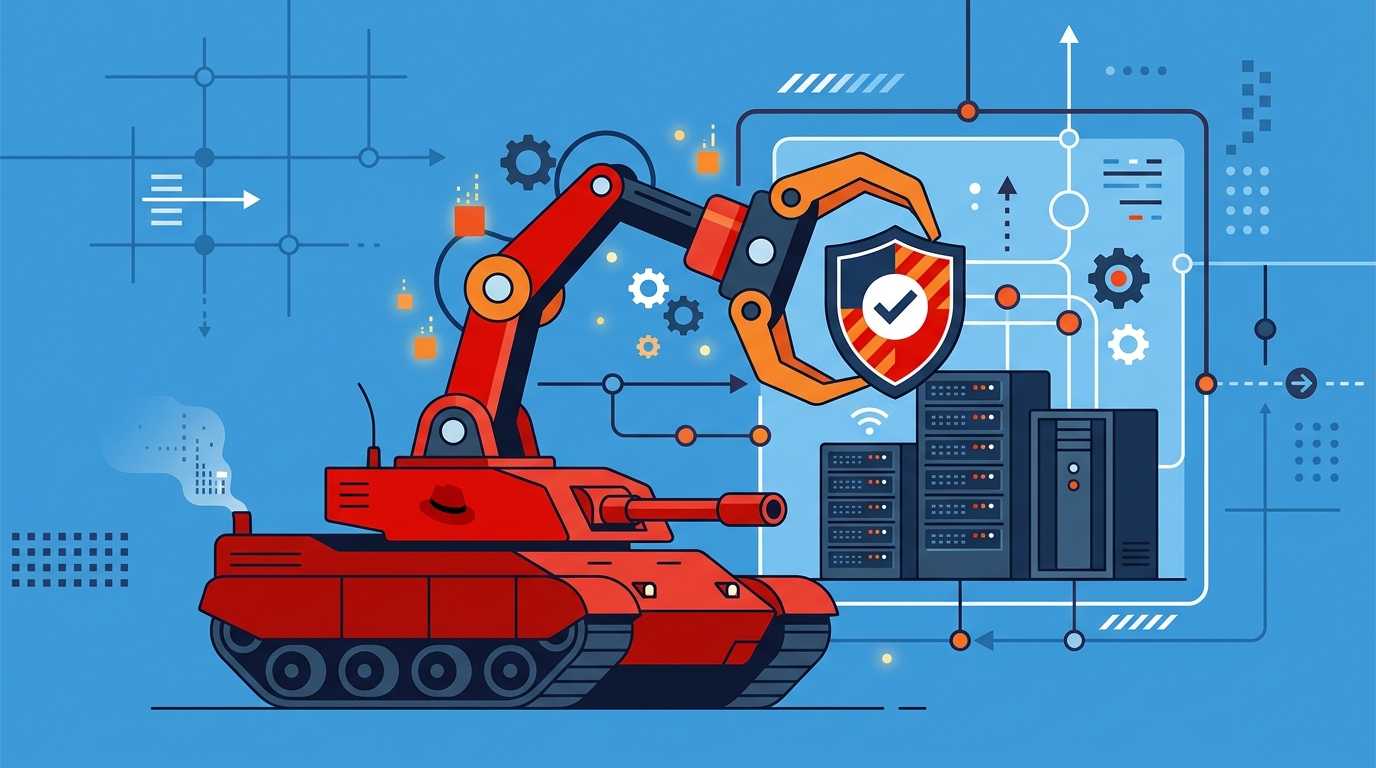
That context explains why Tank OS feels more like infrastructure than a demo. Red Hat sells into large IT shops, and those shops want controls: repeatable updates, isolation, and a way to manage many agents without treating each one like a science project.
OpenClaw itself is an open source agent that installs locally on a computer. That local model helps with privacy and control, but it also creates a new operational problem: once the agent can act on files, apps, and services, the machine needs guardrails.
- Tank OS runs OpenClaw in a Podman container instead of directly on the host.
- Podman is rootless, so the container does not inherit host privileges.
- The image is bootable, so OpenClaw launches when the computer starts.
- It includes state storage, API key handling, and other agent essentials.
- Separate Tank OS instances can run on one machine without sharing credentials.
The security model is the whole point
O’Malley’s choice of Podman is the most interesting part of the story. Rootless containers reduce the blast radius if an agent goes off script, and that matters when the software can read files, send messages, or call external services. Red Hat says Podman keeps the container from getting privileges on the underlying machine, which is exactly the kind of boundary enterprise admins like to see.
Tank OS also bundles the boring parts that become painful at scale. State management, API key storage, and boot-time startup are the kind of details that separate a weekend hack from something an IT team can actually test in a fleet rollout.
“It’s an incredibly powerful application,” O’Malley told TechCrunch, “but can also be dangerous” if not configured properly.
That warning is grounded in real incidents around agent behavior. A Meta security researcher reportedly saw an agent start deleting work email, and another case involved an agent downloading WhatsApp messages in plain text. Those are not theoretical edge cases; they are the sort of mistakes that make security teams ask for stronger isolation before they approve broader deployment.
Tank OS does not remove risk. It reduces the number of ways a bad configuration can turn into a machine-wide problem.
How Tank OS compares with other containerized agents
Tank OS is not the only project trying to put AI agents in a box. NanoClaw is pursuing a similar idea with Docker, which is the container platform most developers know first. The difference is in the target user and the operational model.
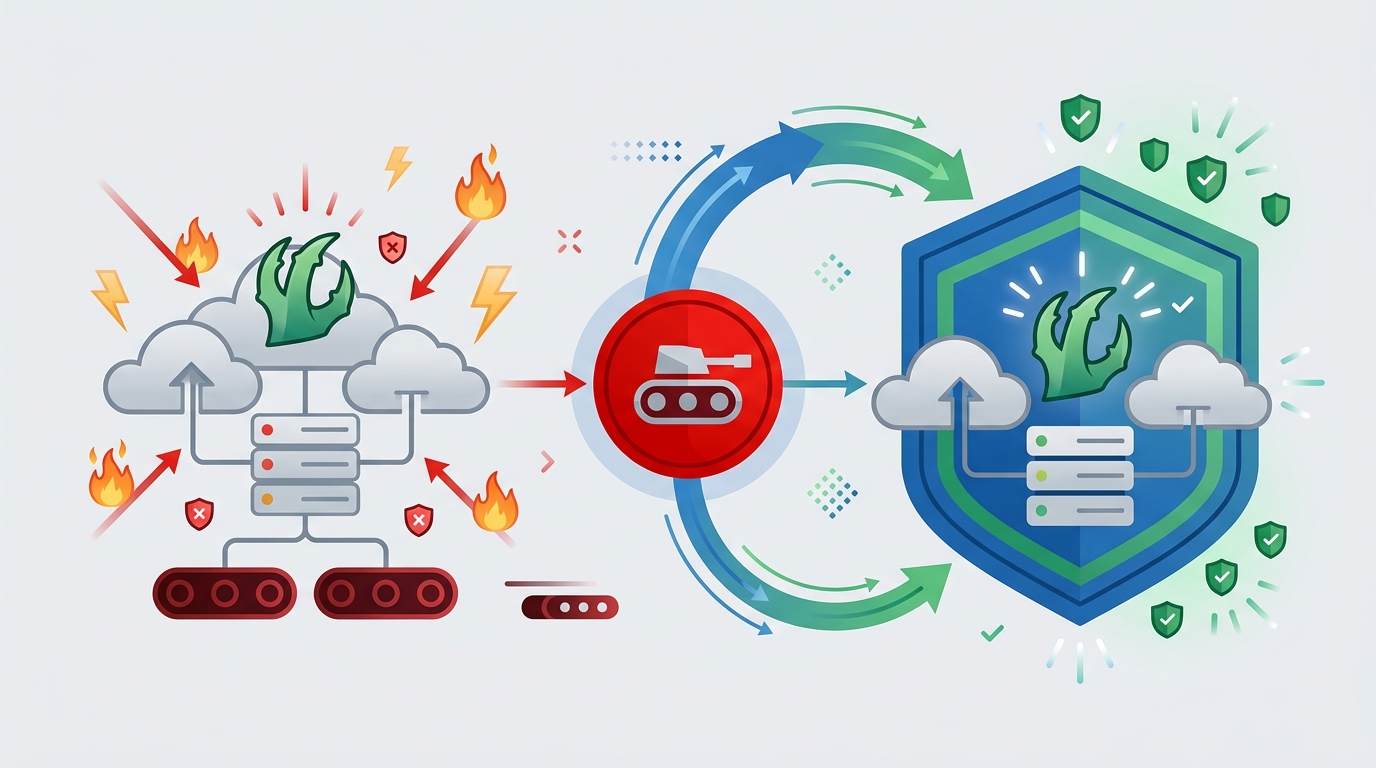
Docker is the default for lots of developers. Podman is attractive to teams that care about rootless execution and closer alignment with enterprise Linux workflows. That makes Tank OS feel tailored for Red Hat’s customer base rather than for hobbyists experimenting on a single workstation.
- Tank OS: OpenClaw in rootless Podman, bootable on Fedora, built for enterprise control.
- NanoClaw: similar agent-in-container idea, but centered on Docker.
- Direct OpenClaw installs: simpler to try, harder to isolate across a fleet.
There is also a management angle that matters more than the container choice itself. O’Malley says IT teams should be able to update agents the same way they already update containers. That sounds mundane, but it is exactly how software gets adopted inside big organizations: by fitting into existing tooling instead of asking admins to learn a new ritual for every machine.
Her framing is telling. She is not trying to make OpenClaw friendlier for casual users. She is trying to make it survivable in a world where corporate devices, credentials, and autonomous actions all mix together.
What this says about enterprise AI agents
Tank OS is a sign that AI agents are moving from novelty to operations. Once a tool can act on behalf of a user, the conversation changes from “What can it do?” to “How do we box it in, update it, and audit it?”
That shift is already visible in the way O’Malley talks about scale. She is thinking about millions of agents, separate credential stores, and multiple instances on one machine. That is the language of platform teams, not weekend tinkerers.
My read: enterprise adoption will depend less on model quality and more on how cleanly agent software fits existing admin patterns. If a tool cannot be containerized, updated, and isolated without drama, security teams will slow it down or block it outright.
So the real question is not whether OpenClaw can do more. It is whether tools like Tank OS can make autonomous agents boring enough for IT to trust them. If Red Hat gets that part right, the next wave of AI deployment will look less like a chatbot rollout and more like a standard fleet management job.
// Related Articles
- [TOOLS]
Aliyun Bailian Token Plan turns credits into agents
- [TOOLS]
One API gateway turns six AI APIs into one
- [TOOLS]
OpenAI FDEs turn broken agents into shipped systems
- [TOOLS]
Anthropic’s daily brief turns news into a workflow
- [TOOLS]
Claude Reflect turns usage into retention
- [TOOLS]
Midjourney turns prompt ideas into art