Vibe Research: AI Tools for Faster Research
Vibe research uses LLMs, agents, coding tools, and review loops to make research work more executable.

Vibe research uses LLMs, agents, coding tools, and review loops to make research work more executable.
The idea behind vibe research is simple: turn research from a loose process into something an AI agent can help drive step by step. Instead of reading papers, editing code, and running experiments by hand, teams are wiring OpenAI-style models, coding assistants, and review systems into the workflow.
That matters because research work often breaks down at the messy middle. A model can summarize a paper, but it can also inspect a repository, patch a file, launch an experiment, and compare results against a prior run. Once those pieces connect, the bottleneck shifts from manual coordination to judgment.
| Part of the workflow | What AI does | Why it matters |
|---|---|---|
| Literature review | Summarizes papers and extracts claims | Reduces time spent on first-pass reading |
| Code changes | Reads repos and edits files | Makes experiments easier to iterate |
| Experiment loop | Runs tests and compares outputs | Speeds up repeatable evaluation |
| Review system | Checks results against rules or rubrics | Helps catch weak conclusions earlier |
What vibe research actually means
Get the latest AI news in your inbox
Weekly picks of model releases, tools, and deep dives — no spam, unsubscribe anytime.
No spam. Unsubscribe at any time.
Vibe research is not a formal standard or a single product. It is a working style that mixes large language models, agentic coding tools, experiment tracking, and human review into one loop. The goal is to make research more executable, so ideas move from notes to code to results with less friction.
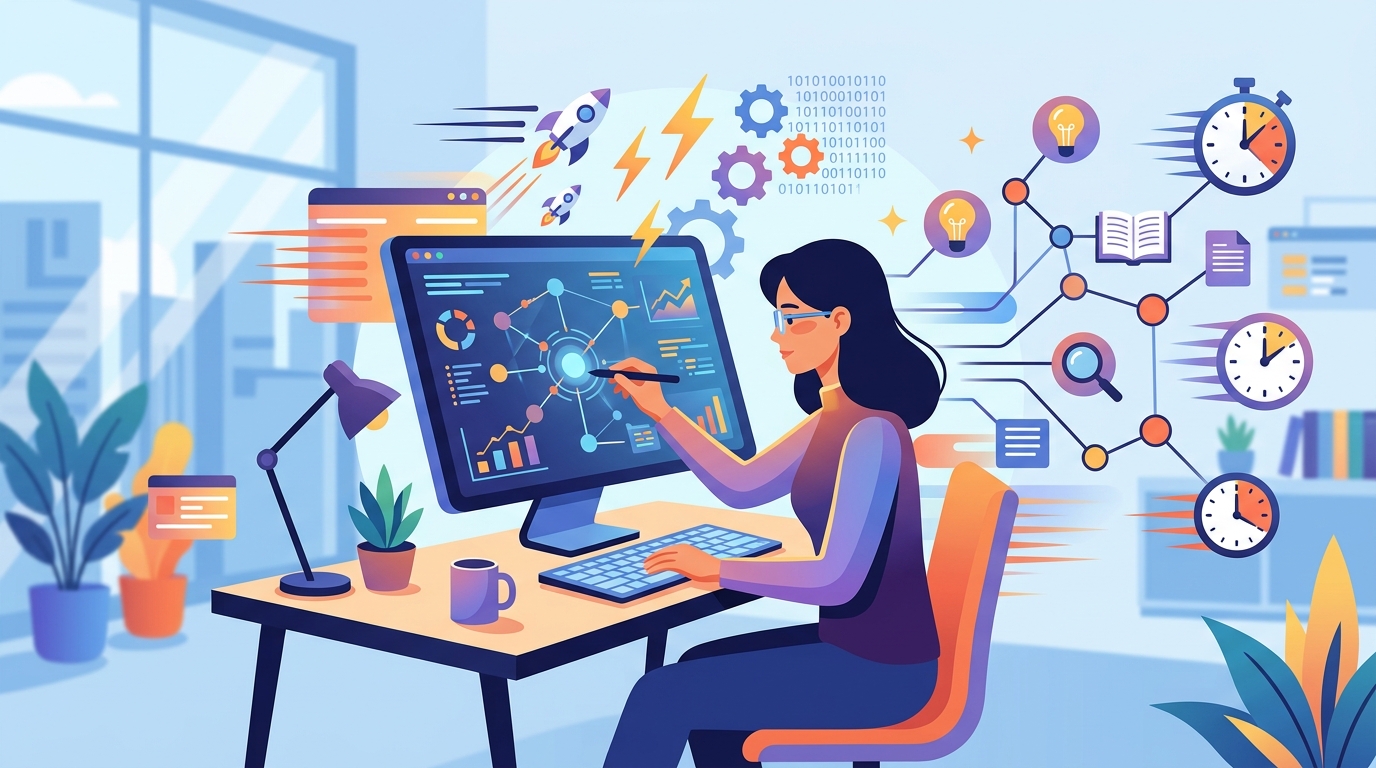
That shift is visible in the tools people already use. Claude Code can inspect and edit projects from the terminal. OpenAI Codex brings code-oriented assistance into developer workflows. Cursor gives researchers a place to ask questions, modify code, and keep context close to the files they are changing.
The interesting part is not that these tools write text. It is that they can participate in a research loop. A model can read a repo, propose a patch, run a script, then use the output to decide what to try next. That is a different job than a chat assistant that only answers questions.
- LLMs help with reading papers, drafting hypotheses, and summarizing results.
- Agents can edit code, run commands, and follow a checklist.
- Coding tools keep the research context tied to the repository.
- Review systems add a second pass before conclusions get accepted.
Why the workflow matters more than the model
In research, raw model quality helps, but workflow design matters more once the task gets complex. A strong model without guardrails can produce convincing nonsense. A weaker model inside a tight loop with tests, logs, and review criteria can still save hours.
This is why many teams are building around the loop instead of around a single prompt. The loop usually includes a plan, a code change, an experiment run, a result check, and a human decision. If any step fails, the system should make that failure visible instead of hiding it behind polished prose.
“The future of software development is going to be less about writing code and more about orchestrating AI systems.” — Andrej Karpathy
Karpathy’s point applies cleanly to vibe research. The work is moving from typing every line by hand to managing systems that can do part of the typing, part of the testing, and part of the comparison. The researcher becomes a director of iteration, not a passive prompt writer.
That also changes what good research habits look like. Clear task definitions, reproducible experiments, and explicit review criteria matter more when an agent can move quickly. If the loop is sloppy, the speed only produces faster confusion.
How these tools compare in practice
Different tools solve different parts of the process, and the differences matter. Some are better at code editing, some at long-context reading, and some at keeping a project organized. The best setup depends on whether the team is doing model research, product experimentation, or engineering-heavy analysis.
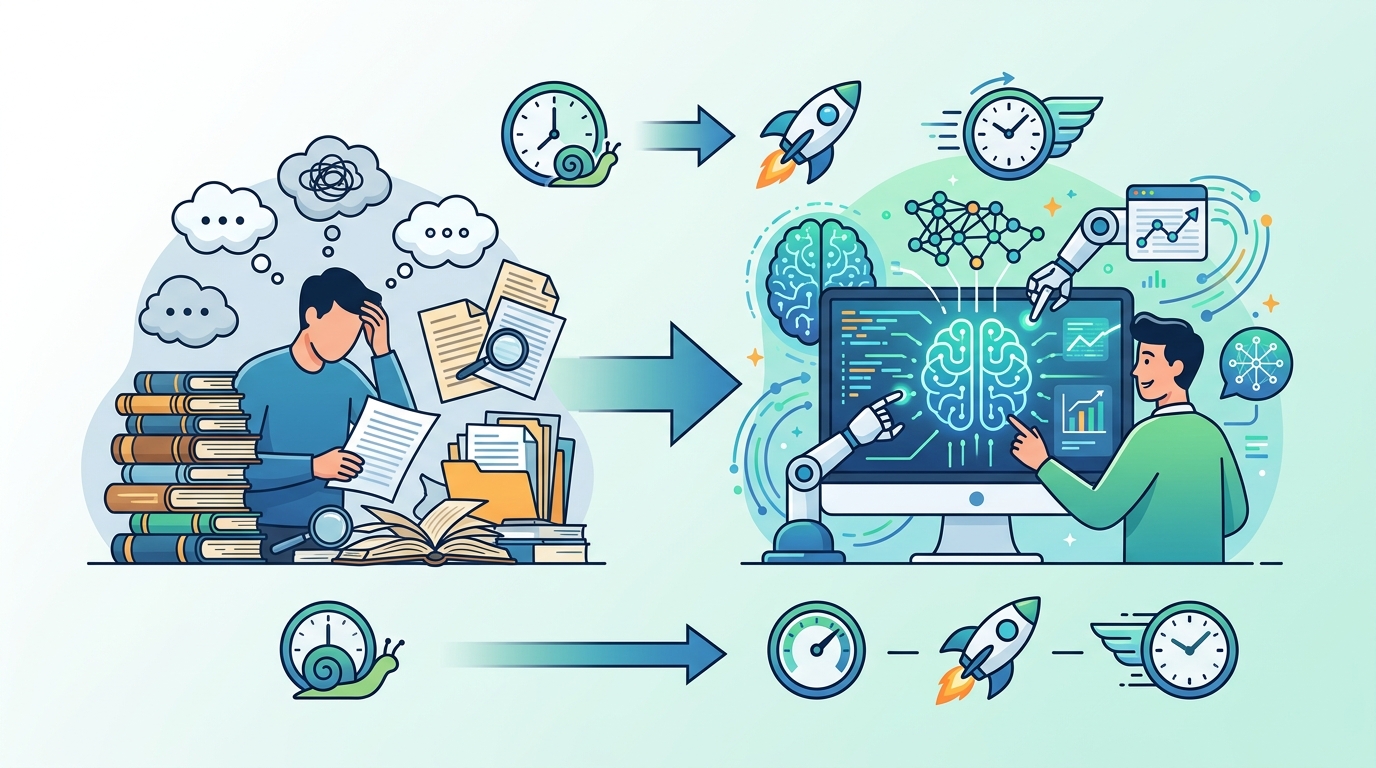
Here is the practical split:
- Cursor is strong when the work lives inside a codebase and the researcher needs fast edits.
- Claude Code fits terminal-heavy workflows where commands and file changes matter.
- Codex is useful when the team wants code help tied to a broader model stack.
- LangChain helps teams wire agents, tools, and retrieval into repeatable pipelines.
The real comparison is not feature count. It is how much of the research loop each tool can cover without forcing the user to switch contexts. If the tool helps with only one step, the team still pays a high coordination cost. If it helps with the loop, the workflow gets faster and easier to audit.
That is also where review systems earn their keep. A model can draft a summary, but a review layer can check whether the summary matches the experiment logs, the benchmark numbers, and the original hypothesis. That extra pass prevents the most common failure in AI-assisted research: polished output with weak evidence.
What teams should do next
The best way to use vibe research is to start small and make the loop visible. Pick one repetitive research task, connect it to a model, add a test or rubric, then track whether the system actually reduces time or just adds complexity. If the loop does not produce cleaner evidence, it is decoration.
For teams already experimenting with AI agents, the next step is to standardize the parts that humans keep redoing: file edits, experiment runs, result logging, and review notes. That is where the time savings usually show up first. It also makes it easier to compare different models and tools on the same task.
My read is that vibe research will spread fastest in groups that already care about reproducibility. They will treat agents like junior assistants with narrow permissions, not like magical researchers. The teams that define clear checks and record every run will get the most value, while everyone else will mostly get faster drafts and noisier decisions.
If you are building this kind of workflow now, the question is simple: can your agent change the project, run the test, and explain the result in a way a human can verify? If the answer is no, the stack is still missing the part that makes research actually usable.
// Related Articles
- [TOOLS]
Aliyun Bailian Token Plan turns credits into agents
- [TOOLS]
One API gateway turns six AI APIs into one
- [TOOLS]
OpenAI FDEs turn broken agents into shipped systems
- [TOOLS]
Anthropic’s daily brief turns news into a workflow
- [TOOLS]
Claude Reflect turns usage into retention
- [TOOLS]
Midjourney turns prompt ideas into art