Why programmable stablecoin infrastructure is the real payments stack
Programmable stablecoin infrastructure beats simple wallets because policy, execution, and auditability belong in the money flow.
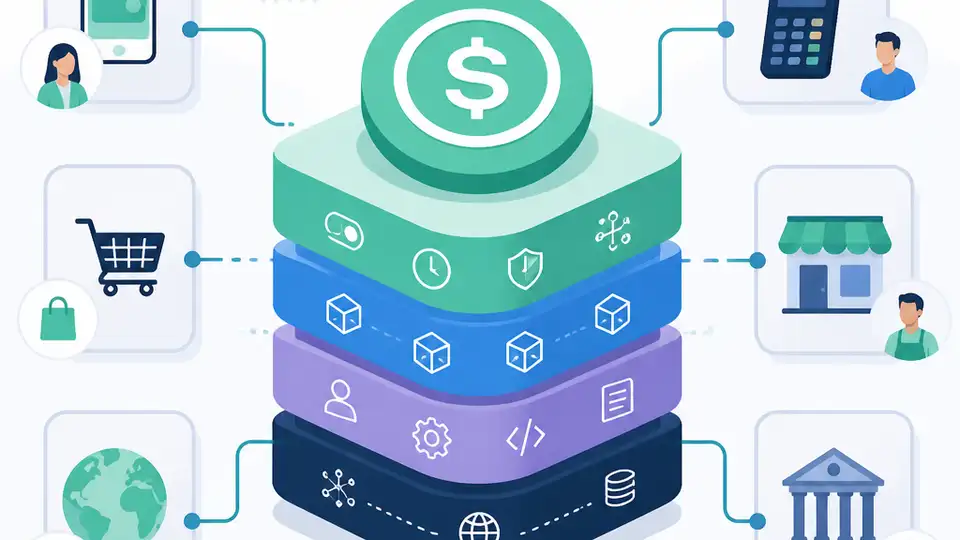
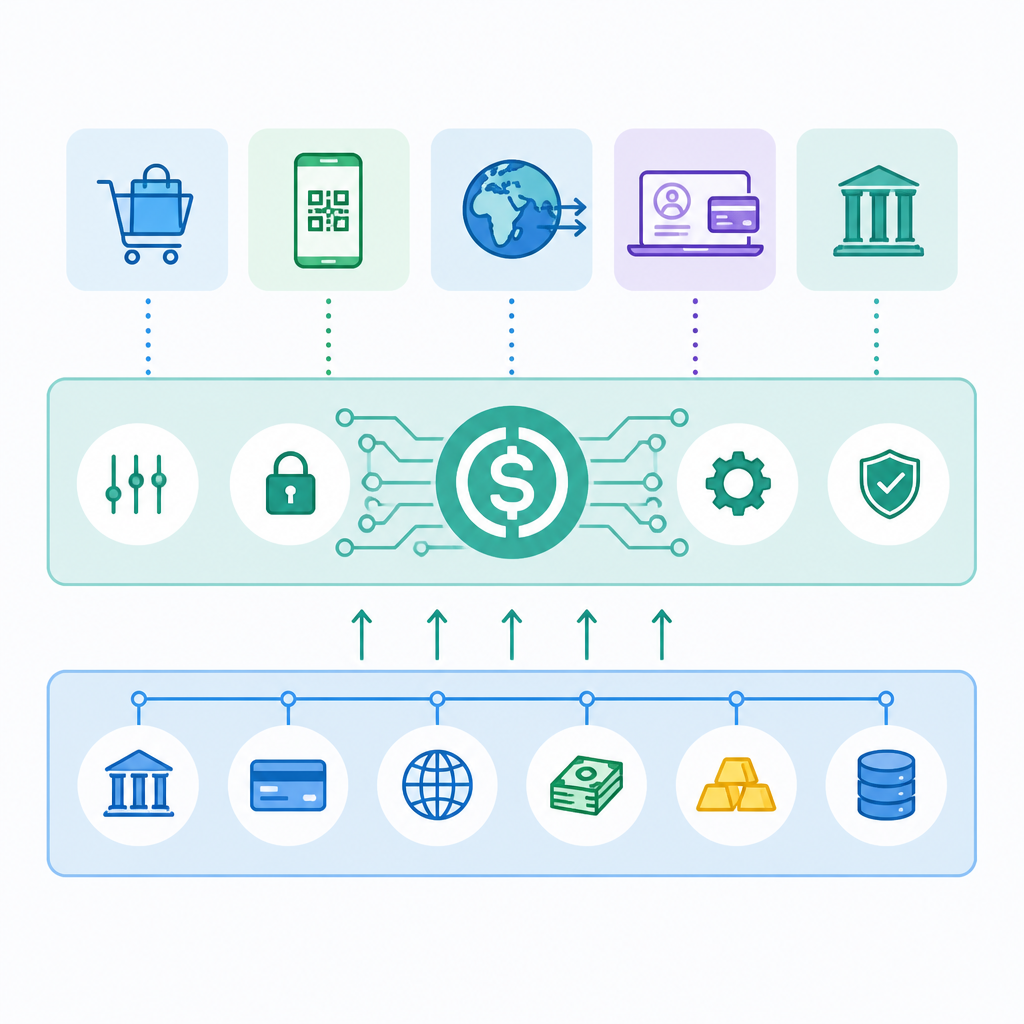
Programmable stablecoin infrastructure wins when policy, execution, and audit trails are built into the money flow.
Programmable stablecoin infrastructure is the right layer for 2026 payments, and simple wallet APIs are not enough.
Eco’s own ranking makes the case plainly: the providers that matter most are the ones exposing policy engines, conditional execution, and audit trails, not just transfer endpoints. The guide separates “wallets” from “programmable infrastructure” by a hard line: if you can only custody and send, you do not have programmable money. That distinction is not semantic. It is the difference between a developer wiring business logic into payments and a finance team manually stitching together approvals, webhooks, and reconciliation after the fact.
The first argument: money needs policy, not just movement
Get the latest AI news in your inbox
Weekly picks of model releases, tools, and deep dives — no spam, unsubscribe anytime.
No spam. Unsubscribe at any time.
Stablecoin infrastructure becomes useful when it can enforce rules before funds move. Eco’s example is the clearest: a developer can express an intent such as “settle 50,000 USDC on Base, charge the user on Arbitrum, and route through the cheapest path,” and the network solves the route while applying policy controls. That is not a nicer transfer API. It is a payment system that treats compliance and optimization as part of execution.

The same logic shows up across the rest of the field. Fireblocks enforces signer-level rules through its Policy Engine, Circle adds wallet policies like allowlists and spend limits, and Sphere uses approval-gated disbursements for treasury workflows. These are not optional extras. In real production systems, the policy layer is what keeps a payment from becoming a security incident, a compliance failure, or a broken treasury process.
The second argument: conditional execution is the feature that turns stablecoins into software
Conditional execution is what makes programmable stablecoins different from plain digital cash. Bridge.xyz can webhook-notify a backend when a virtual account settles, BVNK can enforce velocity caps and sanctions checks, and Halliday can trigger flows on invoice events or KYB completions. In each case, the money movement is tied to an external condition, which means the payment system can respond to business events instead of waiting for a human to press send.
This matters because modern payments are not isolated transfers. They are workflows. A supplier payout may depend on a delivery receipt, a merchant payout may depend on a risk score, and an internal spend request may depend on a manager approval plus a budget threshold. A provider that cannot encode those predicates forces teams to build brittle glue code around the payment rail. A provider that can encode them directly turns the rail into part of the application architecture.
The counter-argument
The best objection is that most teams do not need all this machinery. If a company only needs to mint USDC, send payouts, or run a simple checkout, a narrower provider is easier to adopt and cheaper to operate. Bridge, Circle, and Crossmint all make that case well: they offer focused surfaces, shorter integration paths, and less operational overhead than a full orchestration layer.
That objection is valid for shallow use cases. A startup with one payout flow does not need a solver network, a policy engine, and cross-chain orchestration on day one. But the counter-argument fails when the payment flow becomes part of the product, the treasury stack, or the compliance model. At that point, the “simple” provider becomes technical debt because the business logic lives outside the rail. The right choice is not the smallest API. It is the provider that lets you move logic into the payment layer without rewriting the system later.
What to do with this
If you are an engineer, choose the provider that matches the unit of work, not the marketing category. For cross-chain settlement with conditional logic, use Eco-like orchestration. For fiat-in, stablecoin-out payouts, use Bridge or BVNK. For institutional custody and signer controls, use Fireblocks. For embedded consumer wallets, use Privy or Crossmint. The test is simple: if you cannot express the business rule in the infrastructure, the infrastructure is too thin for the job.
Key takeaways: programmable stablecoin infrastructure is defined by policy, conditional execution, and auditability; wallets alone are not enough; and the best provider is the one that moves business rules closest to the money. For founders and PMs, the decision should follow workflow complexity, not brand recognition.
// Related Articles
- [TOOLS]
Nvidia and LG turn AI plans into a playbook
- [TOOLS]
Ollama is the best free AI path in 2026 for real work
- [TOOLS]
This MLOps list turns chaos into a stack
- [TOOLS]
BentoML turns model serving into Python APIs
- [TOOLS]
Magenta RealTime 2 lets you score in the DAW
- [TOOLS]
Open-source AI tools beat Claude’s paid tiers on value