Why GitHub Copilot code review should count against Actions minutes
GitHub should bill Copilot code review against Actions minutes because the feature runs on shared runner infrastructure.

GitHub Copilot code review will consume Actions minutes for private repositories starting June 1, 2026.
GitHub is right to make Copilot code review pay for the infrastructure it uses, and teams should treat this as the correct direction for AI billing, not a nuisance to work around. The changelog says the review agent runs on GitHub Actions using GitHub-hosted runners, and once a product is executing compute-heavy work on shared runner capacity, that usage belongs in the same accounting system as the rest of the platform. GitHub is also being explicit about the date, the plans affected, and the fact that public repositories stay free, which is exactly how a billing change should be handled when a feature moves from premium convenience to measurable compute consumption.
The first argument is simple: compute has to be paid for somewhere
Get the latest AI news in your inbox
Weekly picks of model releases, tools, and deep dives — no spam, unsubscribe anytime.
No spam. Unsubscribe at any time.
Copilot code review is not a static lint rule or a lightweight metadata lookup. GitHub says the agent uses tool-calling architecture and broader repository context, then runs on GitHub Actions with GitHub-hosted runners. That means the feature is doing real work in the same execution layer that powers CI and automation. If a pull request review burns runner time, the cost is not imaginary, and pretending otherwise only hides the true price of AI-assisted development behind a flat product fee.
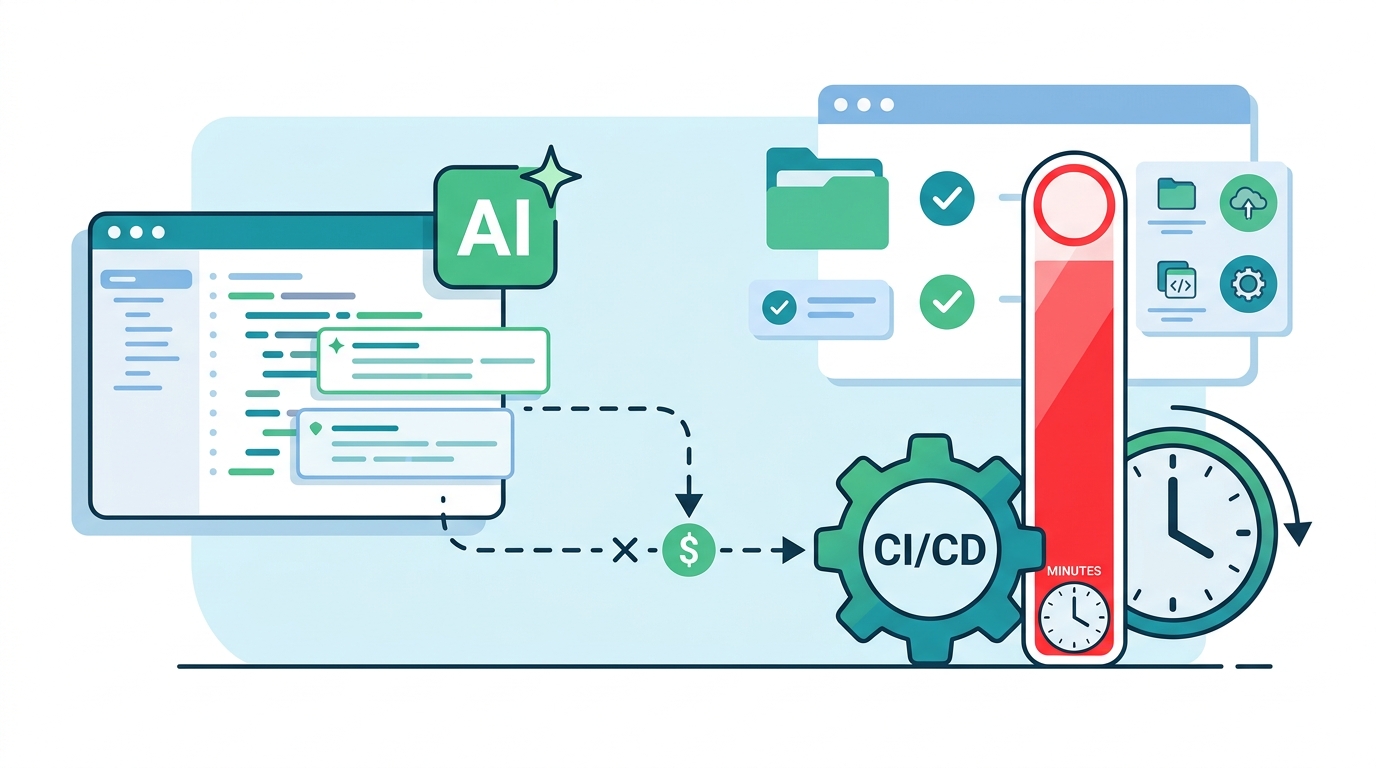
The better comparison is not to a code comment or a web page refresh, but to any other workflow that consumes minutes on a shared platform. GitHub already bills Actions usage when teams exceed included entitlements, and it already offers budgets and spending controls for that reason. Folding Copilot review into Actions minutes makes the cost visible where engineering leaders already look for pipeline spend, which is the only place it can be managed responsibly at scale.
The second argument is that shared billing creates better incentives
When a vendor bundles AI review into a vague subscription, teams lose the ability to answer a basic question: what is this feature actually costing us per repository, per branch, or per team? GitHub’s change forces that question into the open. A team that runs frequent reviews on private repos will now see those reviews compete with other Actions usage, which pushes them to decide whether the review cadence is worth the spend. That is healthy. It turns Copilot review from a magical add-on into an operational choice.
This matters because AI features are not free just because they feel embedded. The changelog points billing managers to Actions metrics, Copilot usage metrics, and the billing usage report, which is the right paper trail for a feature that lives at the intersection of model usage and runtime infrastructure. The result is cleaner ownership: engineering can justify the workflow, finance can track the bill, and platform teams can tune runner settings instead of guessing where the cost went.
The counter-argument
The strongest objection is that this looks like double billing. GitHub says Copilot usage itself will be billed as AI Credits under the new usage-based model, and then private-repo reviews will also draw from Actions minutes. On the surface, that sounds like paying twice for one review. For smaller teams, especially those already close to their minute limits, the change will feel like a tax on using a flagship feature they thought was covered by Copilot pricing.

There is also a fair product objection. Code review is part of the Copilot experience, so users expect it to behave like a Copilot feature, not like a separate CI job with a second meter attached. If GitHub wants adoption, it has to avoid making the billing model so complex that customers cannot predict the monthly cost of routine reviews.
That objection is real, but it does not defeat the policy. The AI Credit charge covers model usage, while Actions minutes cover runner execution, and those are different cost centers. GitHub is not inventing a second fee for the same thing; it is separating inference from infrastructure. The limit is that customers now need better forecasting, and GitHub should keep improving usage visibility, but the underlying accounting is correct because the feature genuinely consumes two resources.
What to do with this
If you are an engineer, PM, or founder, stop treating AI review as a free productivity layer and start treating it like any other metered workflow. Audit how many private repositories rely on Copilot code review, check your current Actions headroom, and compare the review value against the minute burn. If the feature saves enough reviewer time to justify the cost, keep it on and budget for it. If it does not, narrow it to the repos where it produces clear signal. The right response is not to complain about metering; it is to manage AI like infrastructure.
// Related Articles
- [TOOLS]
OpenClaw with Ollama turns Telegram into a bot
- [TOOLS]
Aliyun Bailian Token Plan turns credits into agents
- [TOOLS]
One API gateway turns six AI APIs into one
- [TOOLS]
OpenAI FDEs turn broken agents into shipped systems
- [TOOLS]
Anthropic’s daily brief turns news into a workflow
- [TOOLS]
Claude Reflect turns usage into retention