170-member AAIF backs 10 open-source AI agent frameworks
AAIF passed 170 members in under four months as open-source agent frameworks converge on MCP, A2A, and AGENTS.md in 2026.
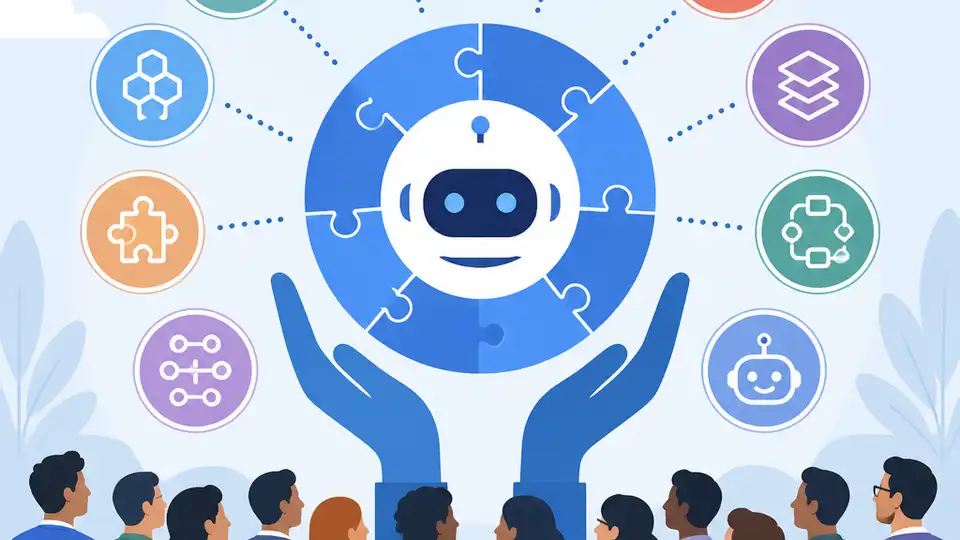
AAIF passed 170 members as open-source AI agent frameworks converged on shared standards in 2026.
170 members in under four months: the Agentic AI Foundation (AAIF), formed under the Linux Foundation with backing from Anthropic, OpenAI, Block, Google, Microsoft, AWS, Cloudflare, and Bloomberg, is becoming the neutral forum for agent standards. A new roundup on pasqualepillitteri.it, published April 27, 2026, ranks 10 open-source AI agent frameworks by verified GitHub stars and argues that the real story is workflow automation, not overnight trading income.
| 項目 | 數值 |
|---|---|
| AAIF members | 170+ |
| Membership timeline | Less than 4 months |
| MCP monthly SDK downloads | 97 million |
| MCP active servers | 10,000+ |
| Article date | 2026-04-27 |
What changed
Get the latest AI news in your inbox
Weekly picks of model releases, tools, and deep dives — no spam, unsubscribe anytime.
No spam. Unsubscribe at any time.
The article rejects the “earn while you sleep” pitch attached to many AI trading repos and instead focuses on frameworks that can power real products: SaaS workflows, content pipelines, support automation, code review, and document generation. It says the list was checked through the GitHub API on April 27, so the star counts are presented as verified, not estimated.
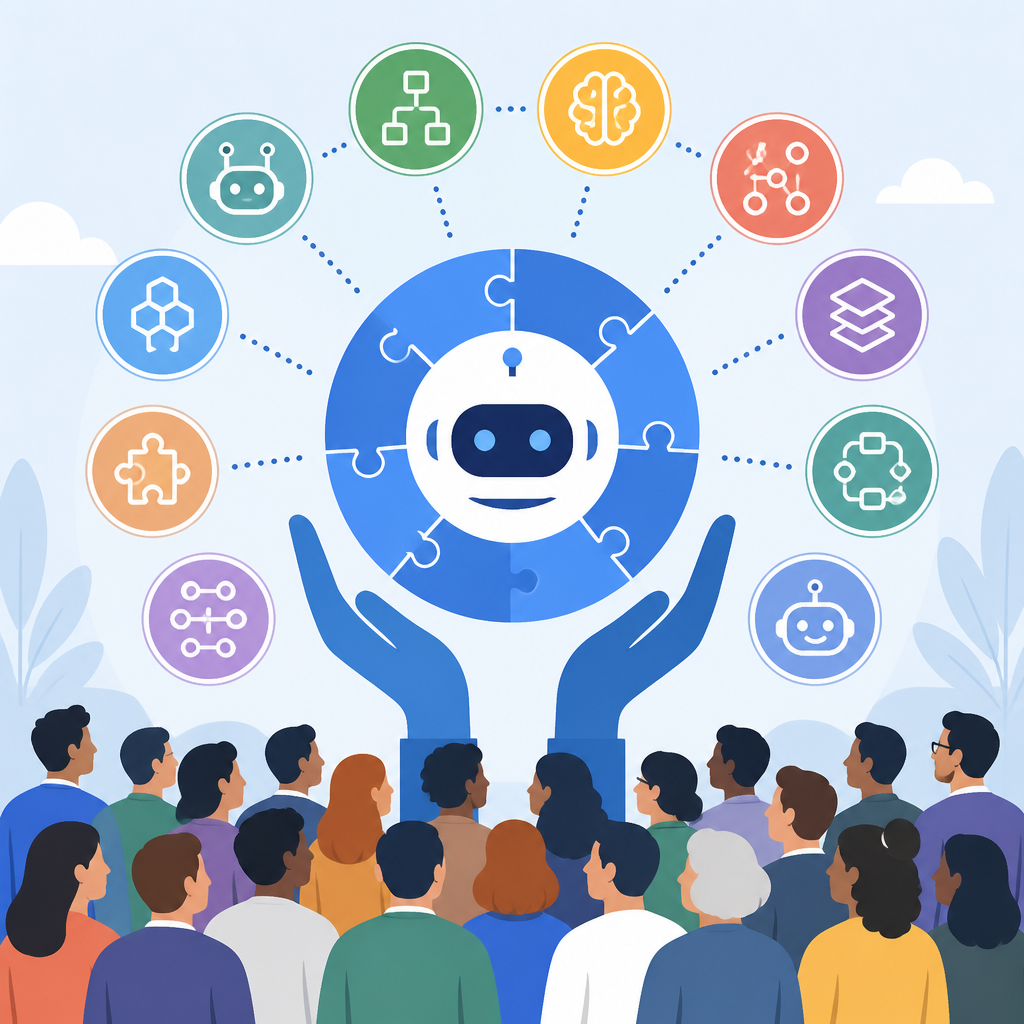
The top frameworks in the roundup are:
- AutoGPT — 184,000 stars
- LangChain / LangGraph — 135,000 stars
- OpenHands — 72,100 stars
- MetaGPT — 67,500 stars
- deer-flow — 64,000 stars
- Cline — 61,000 stars
- Microsoft AutoGen — 57,500 stars
- gpt-engineer — 55,200 stars
- CrewAI — 50,000 stars
- Aider — 44,000 stars
On the standards side, the piece says the 2026 agent stack is being shaped by three pieces: Model Context Protocol (MCP), Google’s Agent2Agent protocol, and OpenAI’s AGENTS.md convention. It also notes that MCP has reached 97 million monthly SDK downloads and more than 10,000 active servers, which is pushing vendors to support it rather than ignore it.
Why it matters
For developers, the practical signal is that agent frameworks are maturing from demos into infrastructure. LangGraph is positioned as the more production-ready option for stateful workflows, OpenHands for code-heavy automation, Cline for IDE-based agent work, and AutoGen for multi-agent systems in regulated environments.
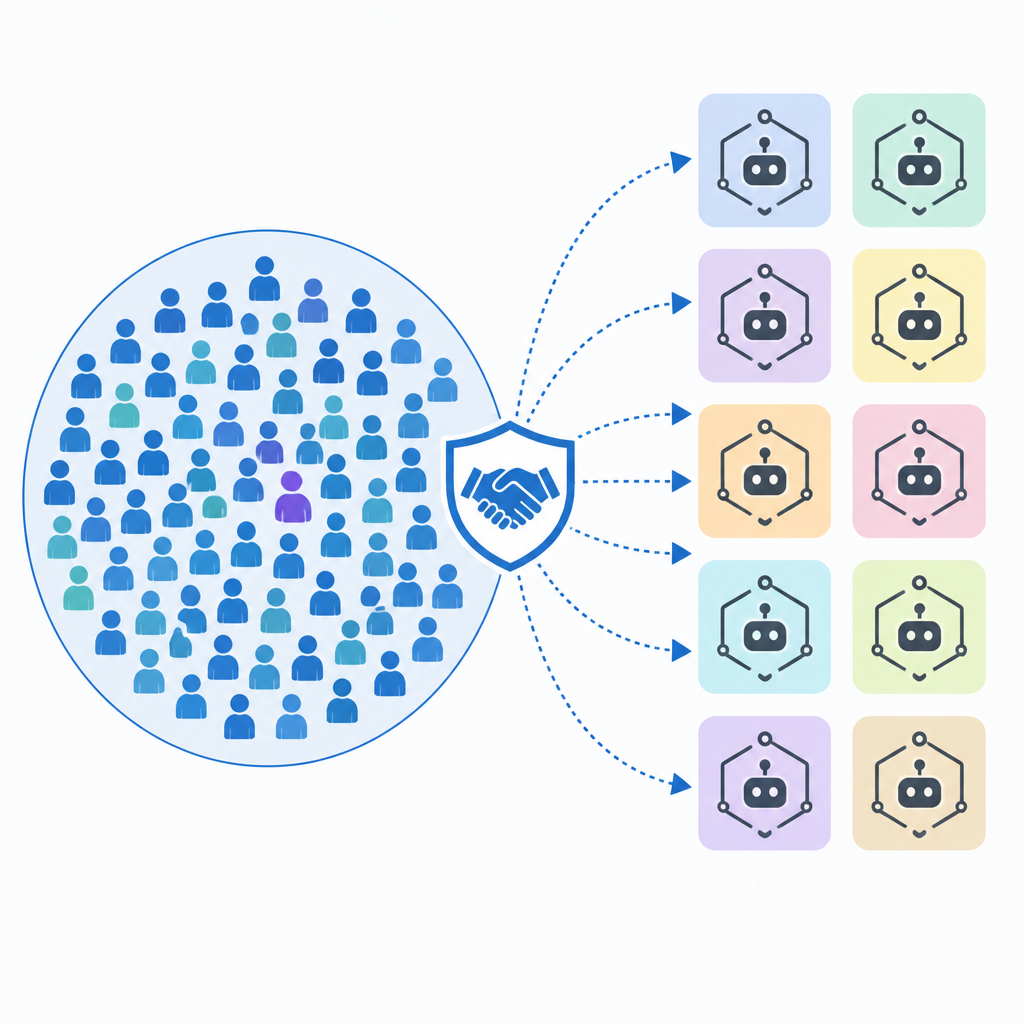
The AAIF matters because it lowers the risk of a fragmented market. If major vendors keep aligning around shared protocols, teams can switch frameworks without rewriting every integration, and tool builders can target one common layer instead of a patchwork of proprietary agent APIs.
The takeaway is simple: in 2026, the winning bet is not a trading bot that sleeps for you, but an agent framework that plugs into the standards everyone else is already adopting.
// Related Articles
- [TOOLS]
Aliyun Bailian Token Plan turns credits into agents
- [TOOLS]
One API gateway turns six AI APIs into one
- [TOOLS]
OpenAI FDEs turn broken agents into shipped systems
- [TOOLS]
Anthropic’s daily brief turns news into a workflow
- [TOOLS]
Claude Reflect turns usage into retention
- [TOOLS]
Midjourney turns prompt ideas into art