Why DeepScientist is the right shape for AI research
DeepScientist is the right model for AI research because it keeps long-horizon work local, visible, and resumable.

DeepScientist is the right model for AI research because it keeps long-horizon work local, visible, and resumable.
DeepScientist is the kind of AI research tool the field needs: a local-first, long-running system that keeps experiments, notes, code, and writing in one durable loop instead of scattering them across chat windows and half-finished scripts. The project’s own pitch is concrete, not vague. It promises a 10-minute setup, one repo per quest, visible progress, and human takeover at any time, while also claiming built-in runners like Codex, Claude Code, Kimi Code, and OpenCode. That matters because research work fails less from lack of model intelligence than from broken continuity, bad state management, and the constant tax of rebuilding context.
DeepScientist solves the real bottleneck: research is mostly coordination work
Get the latest AI news in your inbox
Weekly picks of model releases, tools, and deep dives — no spam, unsubscribe anytime.
No spam. Unsubscribe at any time.
The strongest argument for DeepScientist is that it targets the actual pain point in research workflows. The README names the familiar failures: baseline repos break on environment and dependency issues, results get scattered across terminals and notes, and writing lives apart from experimentation. That is not a minor annoyance. In practice, it is where promising projects die. A system that turns a paper or question into an executable quest, then preserves the state of each step, attacks the problem at the level where time is lost.

This is why the “research chatbot” framing misses the point. A chatbot can suggest ideas, but it cannot own the continuity of a project. DeepScientist’s design around Findings Memory, the Research Map, and persistent artifacts is more useful because it treats research as a chain of decisions, failures, and revisions. The important unit is not the prompt. It is the project history. By keeping that history local and inspectable, the tool makes progress cumulative instead of disposable.
Its architecture is better than the usual agent demo
DeepScientist stands out because it is not trying to look magical. It is trying to be operational. The repo says every quest is a real Git repository, which is the right abstraction for research because branches, worktrees, files, and artifacts already map to how serious technical work gets tracked. That means the system can preserve winning paths and failed paths without turning them into hidden internal state. For engineers and researchers, that is the difference between a useful assistant and a fragile toy.
The built-in takeover model is just as important. Many autonomous systems fail the moment they drift, because the user cannot inspect or redirect them quickly enough. DeepScientist explicitly allows pausing, editing plans, changing code, and continuing. That is the correct stance for high-stakes research automation. In a field where a single bad environment, a silent regression, or a misleading result can waste days, an agent must be interruptible and legible. DeepScientist is built around that requirement, not around a demo-friendly illusion of autonomy.
The counter-argument
There is a serious case against this approach. Research is not software engineering, and not every project benefits from being forced into a repo-centric autonomous loop. Some work depends on tacit judgment, messy qualitative iteration, or rapid human insight that does not fit neatly into a structured quest. A local-first research studio can also become a heavy wrapper around ordinary tools, adding process where a skilled researcher would rather stay nimble. And any system that promises continuous execution risks encouraging over-automation, where users trust the machinery too much and stop interrogating the science.
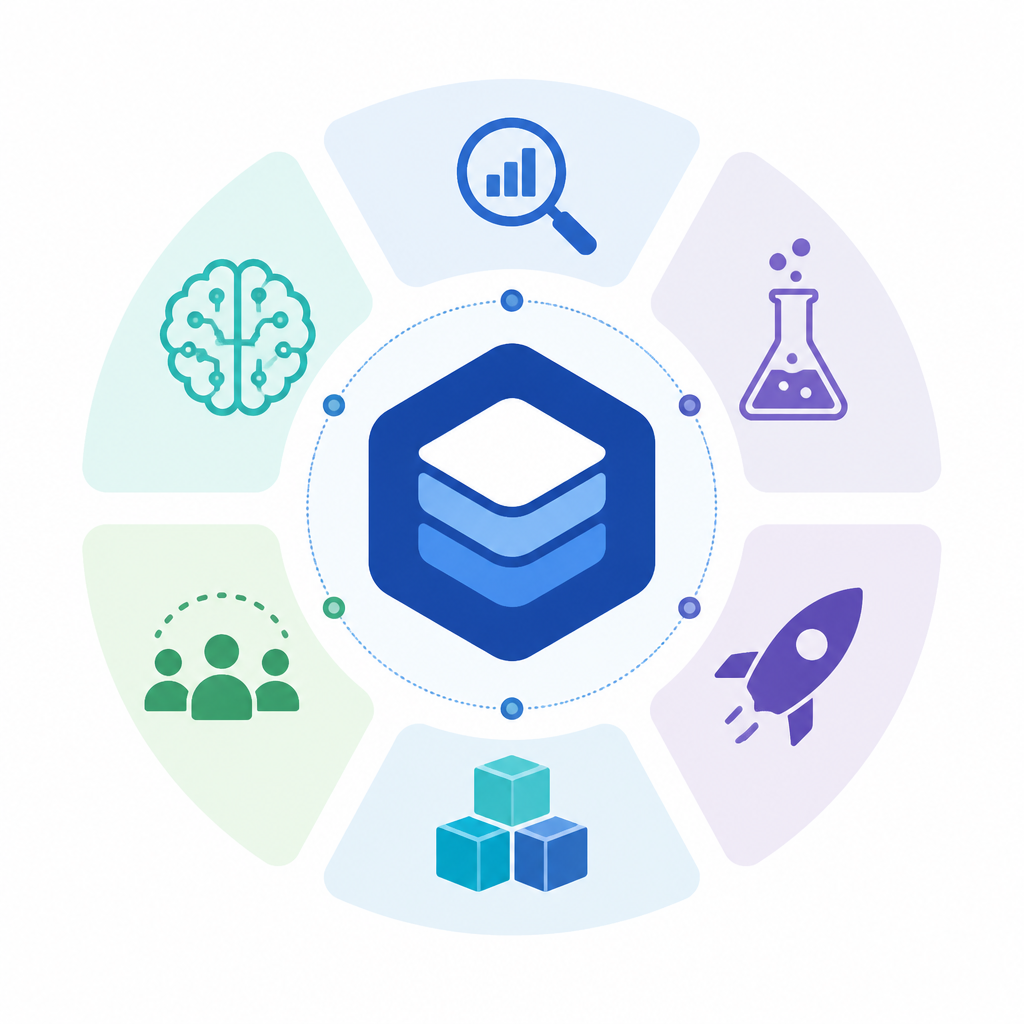
That critique is fair, but it does not defeat DeepScientist. It defines the boundary of use. DeepScientist is not the right tool for every research activity, and it should not pretend to be. Its value is in long-horizon technical work where reproducibility, experiment management, and paper production are the bottlenecks. In that domain, structure is not bureaucracy. It is leverage. The fact that the system is transparent, local, and handoff-friendly is exactly what keeps it from becoming a blind autopilot.
What to do with this
If you are an engineer, PM, or founder building AI tools for technical work, copy DeepScientist’s core bet: optimize for continuity, inspectability, and takeover, not just for chat quality. Build around durable project state, explicit artifacts, and a workflow that survives interruption. If you are choosing tools for research, use systems that preserve experiments, environment setup, and decision history inside one workspace. The winning AI product for serious work will not be the one that talks best. It will be the one that keeps the work alive long enough to finish it.
// Related Articles
- [TOOLS]
OpenClaw with Ollama turns Telegram into a bot
- [TOOLS]
Aliyun Bailian Token Plan turns credits into agents
- [TOOLS]
One API gateway turns six AI APIs into one
- [TOOLS]
OpenAI FDEs turn broken agents into shipped systems
- [TOOLS]
Anthropic’s daily brief turns news into a workflow
- [TOOLS]
Claude Reflect turns usage into retention