Claude Code v2.1.143 fixes background sessions
Claude Code v2.1.143 tightens plugin dependencies, adds context-cost estimates, and fixes background-session bugs on Windows, macOS, and cloud runtimes.

Claude Code v2.1.143 fixes background sessions, plugin handling, and model fallbacks.
Claude Code v2.1.143 landed on May 15 with a long list of fixes and workflow tweaks aimed at the parts of the product power users hit most: background sessions, plugins, terminal behavior, and cloud provider integrations. The release also adds projected context cost estimates in the plugin browser, which is the kind of detail that matters once teams start running multiple plugins and background agents in real work.
The update is broader than the headline items in the release notes suggest. It touches Windows Terminal, WSL, macOS sleep and wake behavior, Bedrock, Vertex, Foundry, and even how the CLI behaves when a session wakes from idle.
| Item | What changed | Why it matters |
|---|---|---|
| Release | v2.1.143 | Latest Claude Code update on GitHub |
| Idle spinner | Turns amber after 10 seconds | Signals that Claude is still working |
| Stop hooks | Abort after 8 consecutive blocks | Prevents infinite hook loops |
| PowerShell tool | Enabled by default on Windows for Bedrock, Vertex, and Foundry | Improves Windows support for cloud users |
What this release is really fixing
Get the latest AI news in your inbox
Weekly picks of model releases, tools, and deep dives — no spam, unsubscribe anytime.
No spam. Unsubscribe at any time.
The most visible change is the spinner behavior. If Claude is thinking for more than 10 seconds, the spinner now shifts to amber instead of staying visually flat. That sounds small, but anyone who has waited on a long agent turn knows why it matters: the UI now tells you the process is alive instead of making you wonder whether the CLI froze.
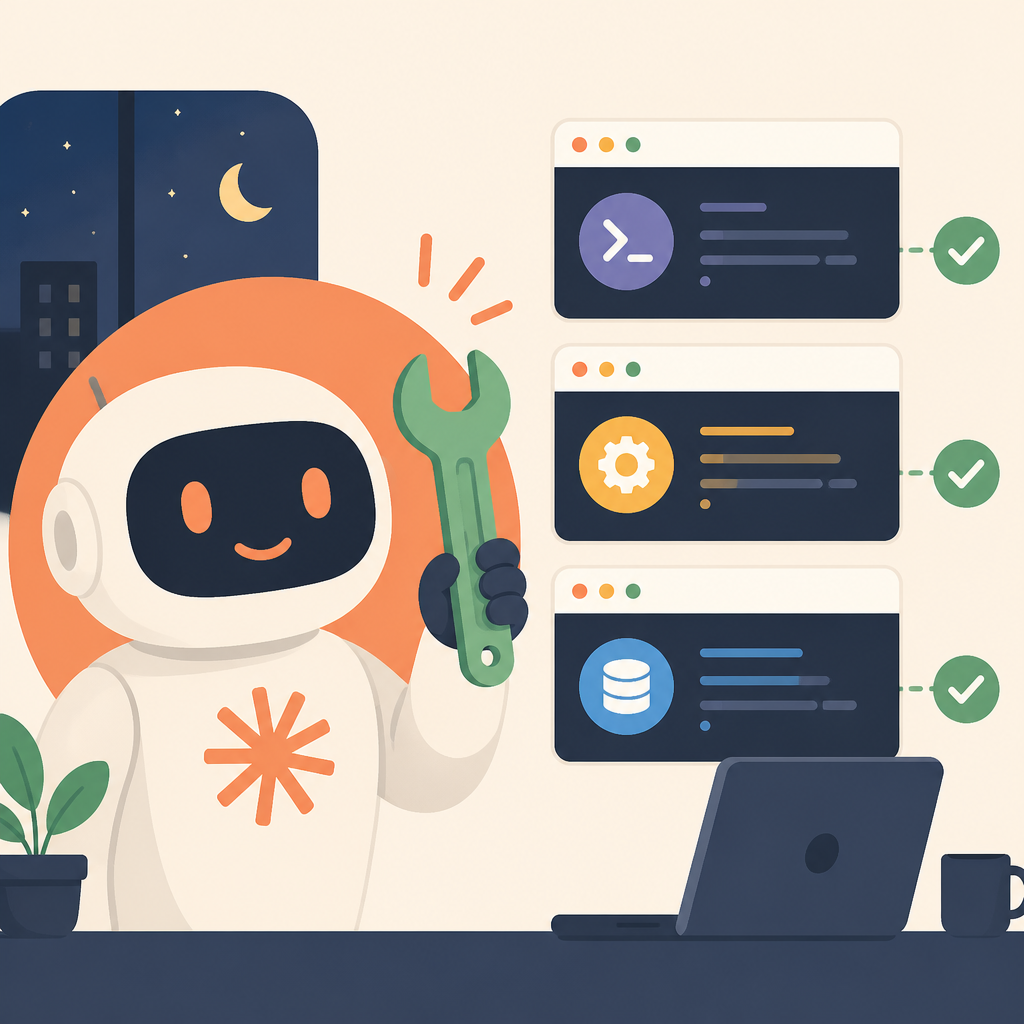
Under the hood, the release is packed with fixes for background sessions and detached workers. Claude Code now preserves model choice and effort level after idle wake, keeps MCP and settings data across respawns, and avoids sending the wrong model ID when side-queries run on Bedrock, Vertex, Foundry, or a gateway with no ANTHROPIC_SMALL_FAST_MODEL override set.
There is also a practical safety fix for stop hooks. If a hook keeps blocking the same turn over and over, Claude now ends that turn with a warning after 8 consecutive blocks. That is a much better failure mode than an endless loop that leaves users guessing why the session will not progress.
- Background sessions now keep their model and effort settings after waking from idle.
- /bg preserves
--mcp-config,--settings,--add-dir,--plugin-dir, and--strict-mcp-config. - Stop hooks now stop repeated blocking after 8 consecutive failures.
- Background side-queries now fall back to the main-loop model instead of failing on unavailable Haiku IDs.
Plugins are getting stricter and more readable
The plugin changes point in a clear direction: Claude Code is getting more opinionated about dependencies and easier to inspect before you enable anything. The new plugin dependency enforcement means claude plugin disable will refuse to disable a plugin that another enabled plugin depends on, and it gives a copy-pasteable hint for the disable chain. That is a sensible guardrail for teams that install plugin stacks and then forget how they fit together.
The plugin browser also shows projected context cost now, both per turn and per invocation. That matters because context is no longer an abstract resource. If a plugin adds expensive prompts or tools, you can see the likely token hit before you activate it.
“The plugin ecosystem is a big part of Claude Code’s value, so surfacing dependencies and context cost is the right kind of friction.”
Anthropic, Claude Code v2.1.143 release notes
There are a few more plugin-related fixes worth calling out. Claude Code now handles plugin-contributed agents more reliably, surfaces LSP servers in plugin details in the previous release line, and avoids some false errors around plugin paths and cache cleanup. For people building internal tooling on top of Claude Code, that reduces the chance that a plugin works in one session and mysteriously disappears in the next.
Windows, macOS, and cloud users each got specific fixes
This release is unusually careful about platform-specific behavior. On Windows, the PowerShell tool is now enabled by default for Bedrock, Vertex, and Foundry users, while right-click paste in Claude agents and session listing bugs in Windows Terminal and WSL were fixed too. There is also a fix for ← in the agents view leaving the session list unresponsive while a response was streaming.
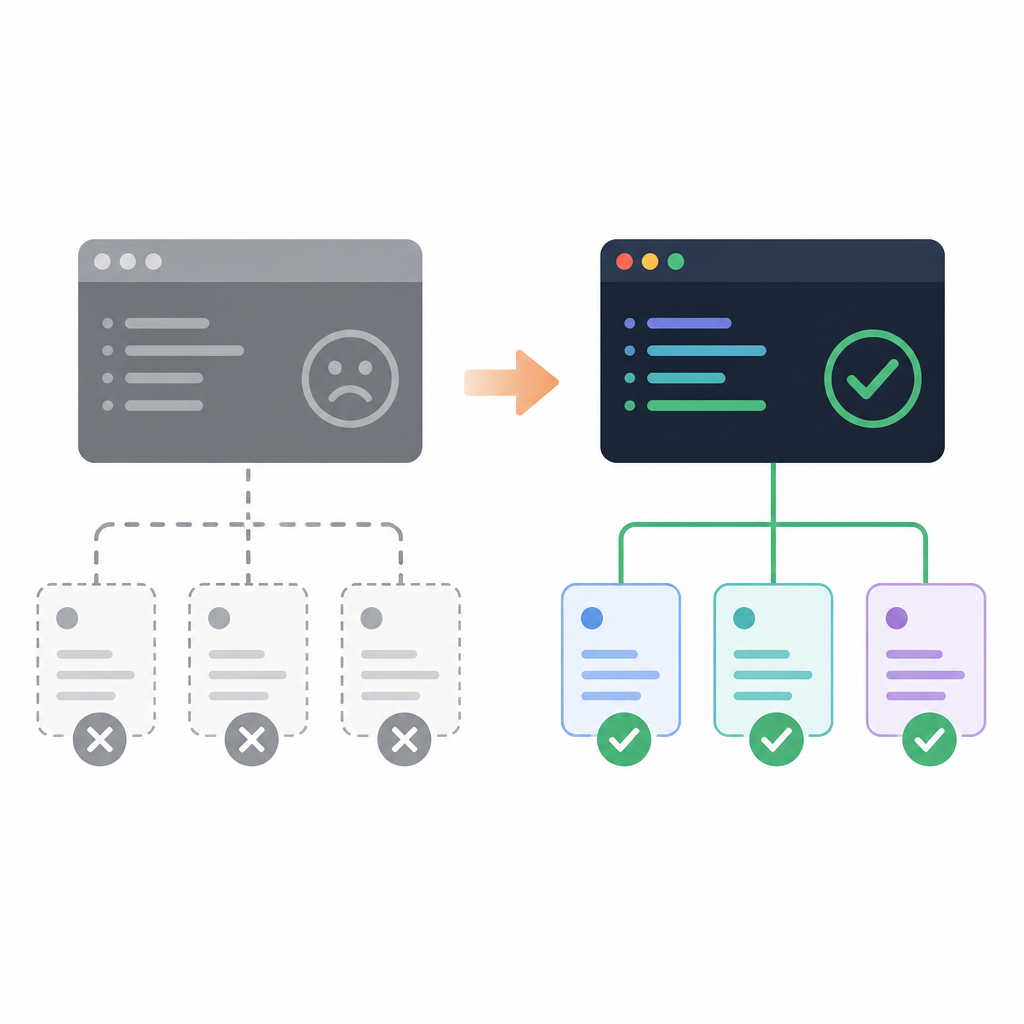
On macOS, background-job sessions no longer hit “Operation not permitted” errors when reading files under ~/Documents, ~/Desktop, or ~/Downloads even with Full Disk Access granted. Claude Code also handles sleep and wake more cleanly by detecting clock jumps instead of treating them as elapsed idle time, which should reduce the daemon reconnect failures that users saw after sleep.
Cloud users get a different kind of cleanup: the release fixes 5xx error messages that pointed people to status.claude.com instead of naming the configured gateway or provider. That is a small copy fix with a big support payoff, because the first thing people want in an outage is the exact service that failed.
- Windows: PowerShell tool is on by default for Bedrock, Vertex, and Foundry.
- macOS: file access under Documents, Desktop, and Downloads no longer trips permission errors.
- Cloud providers: 5xx messages now name the configured gateway or provider.
- Idle wake: background sessions preserve their chosen model and effort level.
How this compares with the previous release
The previous tag, v2.1.142, already added a large batch of agent flags, including --add-dir, --settings, --mcp-config, --plugin-dir, --permission-mode, --model, --effort, and --dangerously-skip-permissions. It also switched fast mode to Opus 4.7 by default instead of Opus 4.6, which is a meaningful model change for anyone benchmarking agent performance.
v2.1.143 does less to change the product’s headline capabilities and more to make those capabilities usable day after day. It fixes persistence bugs, background-session regressions, and UI friction points that would otherwise turn advanced features into support tickets. That is often what mature developer tooling looks like: fewer flashy additions, more attention to the edges where real workflows break.
There is also a nice bit of consistency here. The release keeps extending the same agent controls across foreground sessions, background sessions, and the agents dashboard. That reduces the gap between “what I configured” and “what actually ran,” which has been a chronic problem in CLI-driven automation tools.
For readers who want the adjacent context, OraCore has been tracking the broader shift toward agentic developer tooling in our Claude Code workflow coverage and our AI CLI tools roundup.
What to watch next
My read: the next meaningful milestone for Claude Code will be whether these background-session fixes hold up under longer-running teams, especially on Windows and in mixed cloud setups. If the amber spinner, plugin dependency checks, and model-preservation fixes behave as advertised, this release should lower the amount of babysitting required for agent workflows.
The bigger question is whether Anthropic keeps tightening the same surfaces or starts pushing more visible product changes again. For now, v2.1.143 is the kind of release that earns trust by removing friction, and that is exactly what a serious coding agent needs before teams let it run unattended for hours.
// Related Articles
- [TOOLS]
OpenClaw with Ollama turns Telegram into a bot
- [TOOLS]
Aliyun Bailian Token Plan turns credits into agents
- [TOOLS]
One API gateway turns six AI APIs into one
- [TOOLS]
OpenAI FDEs turn broken agents into shipped systems
- [TOOLS]
Anthropic’s daily brief turns news into a workflow
- [TOOLS]
Claude Reflect turns usage into retention