Awesome Open Source AI: the best projects list
This GitHub list curates battle-tested open-source AI tools, models, and infra, from PyTorch to vLLM, with 2,486 stars.

awesome-opensource-ai is one of those GitHub repos that tells you a lot about where AI development is headed. With 2,486 stars, 219 forks, and a Python codebase, it collects production-ready open-source AI projects instead of tossing every trendy repo into one pile.
The repo is built as a curated guide to models, libraries, serving stacks, agent frameworks, RAG tooling, evaluation kits, and self-hosted platforms. That matters because the open-source AI world is crowded now, and the real problem is no longer finding tools. It is figuring out which ones are worth your time.
What this list is actually optimizing for
Get the latest AI news in your inbox
Weekly picks of model releases, tools, and deep dives — no spam, unsubscribe anytime.
No spam. Unsubscribe at any time.
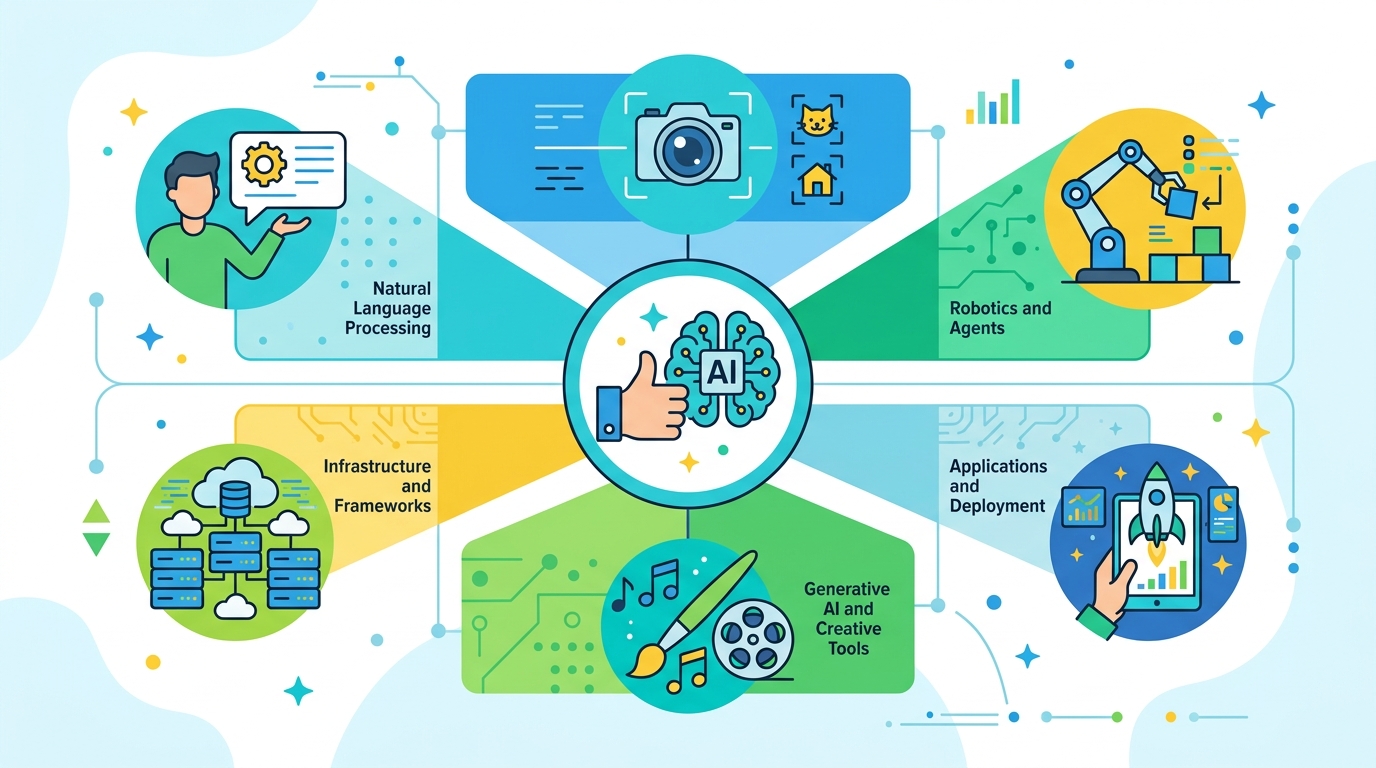
The README makes its bias clear: only “battle-tested” and “production-proven” projects make the cut. That sounds like marketing until you look at the structure of the list. It is organized around the parts of an AI system that teams actually ship: core frameworks, foundation models, inference engines, agentic systems, retrieval, media generation, training, MLOps, benchmarks, safety, and developer tooling.
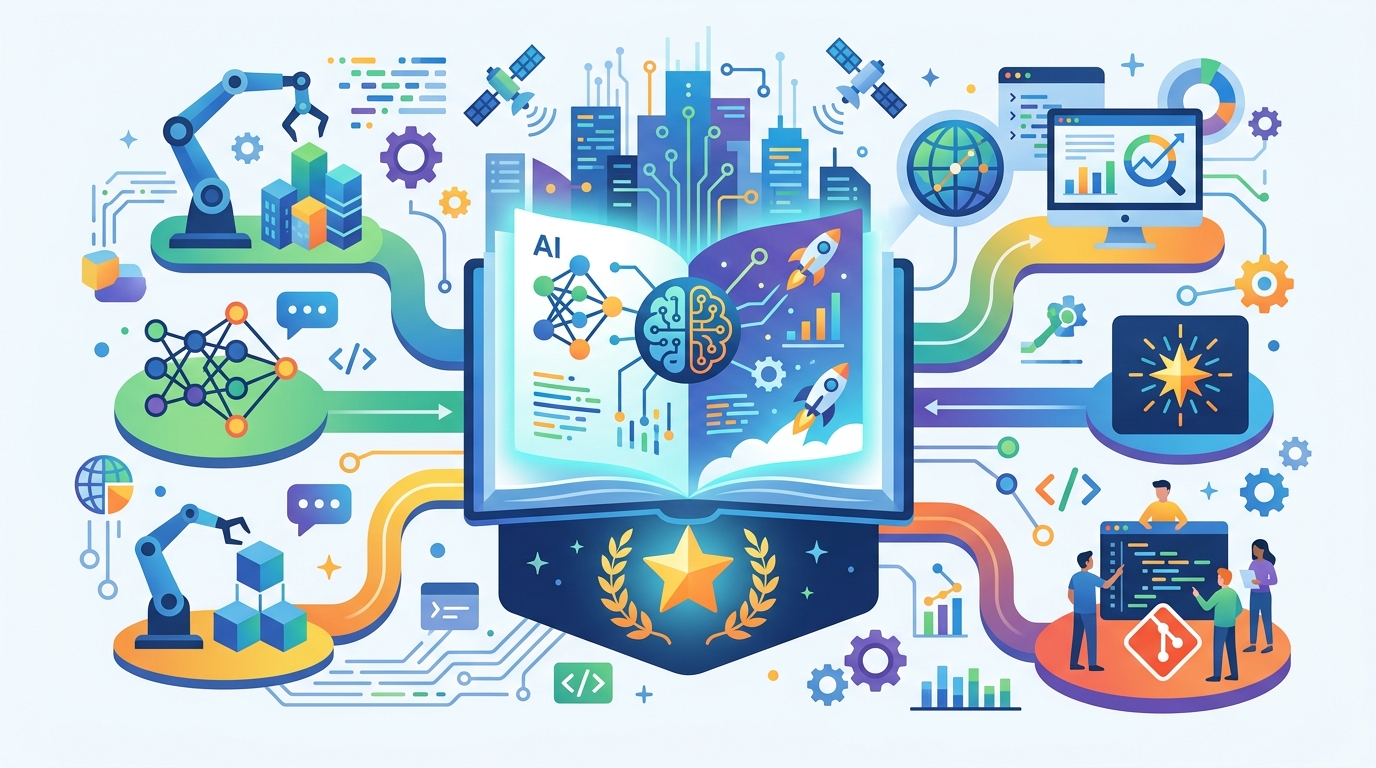
That structure is the real value here. Most AI directories are just link dumps. This one reads like a map for people who need to build something, deploy it, and keep it running after the demo ends.
- 2,486 GitHub stars and 219 forks on the main repo
- Written in Python, which keeps contribution friction low
- Organized into 14 content areas, from frameworks to learning resources
- Focuses on open-source projects that are already in active use
The first section alone gives you the usual heavy hitters: PyTorch, TensorFlow, JAX, and Flax. But it also includes smaller, opinionated tools like tinygrad, which has become a favorite for people who want to understand the mechanics instead of hiding behind abstractions.
That mix matters. If you are building serious AI systems, you need the big frameworks and the weird little projects that teach you how those systems work under the hood.
The list mirrors the stack teams are using
Open-source AI is no longer a single category. It is a stack. This repo reflects that reality by separating training, inference, retrieval, agents, and production tooling into distinct sections. That makes it easier to compare tools by job, not by hype.
For example, the inference section points to vLLM, Text Generation Inference, and other serving systems that matter when model latency and throughput start affecting product decisions. The agent section covers projects like LangGraph, AutoGen, and CrewAI, which are all trying to answer the same question: how do you coordinate model calls without building a brittle mess?
“The future of AI is not about one model. It’s about systems.” — Andrew Ng
That quote from Andrew Ng fits this repo better than a generic “AI tools” label ever could. The list is really about systems thinking: model choice, serving, retrieval, orchestration, evaluation, and deployment are all treated as separate problems.
That is also why the repo feels useful to engineers rather than just interesting to hobbyists. A model by itself is rarely the product. The product is the stack around it.
Why the numbers behind the projects matter
The repo does a good job of surfacing real usage signals, not just names. Some entries include download counts, user counts, or ecosystem size, which helps you rank options faster. That is especially important in AI, where a project with a slick README can still be the wrong choice for production.
A few examples from the list show how different the ecosystem has become:
- Transformers has 1M+ models and 250,000+ downloads per day, making it the default library for pretrained NLP workflows
- PaddlePaddle says it supports 23+ million developers and 760,000+ companies
- sentence-transformers remains a standard choice for embeddings, especially in retrieval pipelines
- Polars keeps showing up because Rust-backed DataFrame performance matters once datasets get large
Those numbers are useful because they reveal maturity. A project with a huge install base usually has better docs, more bug reports, more community examples, and fewer surprises when you ship it into a real environment.
The list also acknowledges that Python is no longer the only language worth watching. It includes Rust projects like Burn and Candle, plus Julia tools like Flux.jl and MLJ.jl. That spread tells you something important: the open-source AI ecosystem is getting more specialized, not less.
Who should bookmark this repo
If you build AI products, this repo is worth keeping open in a tab. It is useful for founders choosing a stack, ML engineers comparing frameworks, and developers who want a short list of projects that already have real adoption. It is also handy when you need to explain to a teammate why one tool is better suited for training, while another is a better fit for serving or evaluation.
The repo’s value is partly editorial. Someone has already filtered the noise. That saves time, and time is the scarcest resource in AI work right now.
For OraCore readers, the practical takeaway is simple: use curated lists like this as a starting point, then verify fit with benchmarks, docs, and your own workload. If you want a deeper comparison of model runtimes, check our related coverage on vLLM vs TGI and our guide to open-source LLM deployment.
What happens next is pretty clear. As more teams move from prototype work to production systems, lists like awesome-opensource-ai will matter less as inspiration and more as procurement checklists. If you are building in 2026, the question is not whether open-source AI is viable. The question is which projects on this list can survive your traffic, your budget, and your deadline.
// Related Articles
- [TOOLS]
Aliyun Bailian Token Plan turns credits into agents
- [TOOLS]
One API gateway turns six AI APIs into one
- [TOOLS]
OpenAI FDEs turn broken agents into shipped systems
- [TOOLS]
Anthropic’s daily brief turns news into a workflow
- [TOOLS]
Claude Reflect turns usage into retention
- [TOOLS]
Midjourney turns prompt ideas into art