Why Gemini API’s churn is a feature, not a bug
Gemini API’s rapid release churn is a deliberate advantage, not a maintenance failure.
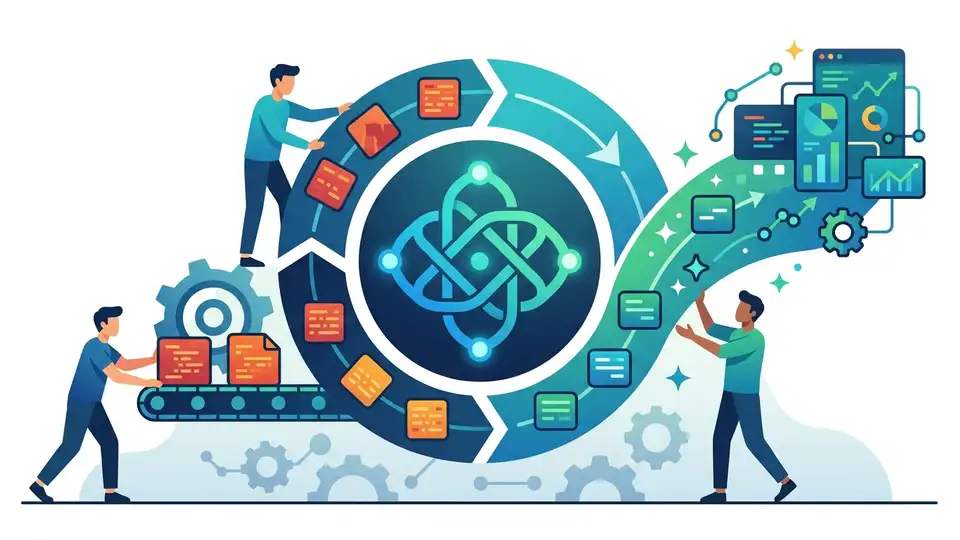
Gemini API’s rapid release churn is a deliberate advantage, not a maintenance failure.
Gemini API’s release cadence is a feature, not a bug, because it turns model capability into a moving target that developers can actually exploit.
Look at the changelog: in a single stretch, Google shipped asynchronous function calls in Live API, an experimental URL context tool, and gemini-2.5-flash-preview-05-20, a preview model tuned for price-performance and adaptive thinking. That is not random noise. It is a product strategy that treats the API as a living platform, where new interaction patterns arrive fast enough to matter before the market moves on.
First argument: speed creates real developer leverage
Get the latest AI news in your inbox
Weekly picks of model releases, tools, and deep dives — no spam, unsubscribe anytime.
No spam. Unsubscribe at any time.
Fast release cycles let teams build against the frontier instead of waiting for a yearly platform reset. When Live API gained asynchronous function calls, developers working on voice agents and real-time assistants got a cleaner way to handle long-running work without freezing the interaction loop. That matters because latency is not an abstract metric in agent systems; it is the difference between a system that feels responsive and one that feels broken.
The same is true for the URL context tool. By letting developers pass URLs as extra context, Gemini API removed a common friction point in retrieval-heavy workflows. A support bot, research assistant, or internal knowledge tool no longer needs a separate ingestion pipeline for every external page before it can answer. The release lets teams prototype faster and ship narrower, more focused experiences with less glue code.
Second argument: the churn signals a platform that is widening, not fragmenting
The changelog shows breadth across modalities and workloads, not just a stream of model refreshes. In the same timeline, Google pushed text-to-speech previews, image and video generation updates, multimodal embeddings, robotics models, and Deep Research agent upgrades. That spread matters because it tells developers the platform is converging on a common substrate for agents, media, search, and action, instead of forcing each capability into a separate product silo.
There is also a clear economic logic behind the churn. Gemini 2.5 Flash preview-05-20 was explicitly positioned around price-performance and adaptive thinking, which is exactly what production teams need when they are balancing quality against margin. A model that is cheaper to run and smart enough to route effort adaptively gives builders room to deploy at scale. In practice, that means more experiments survive past the demo stage and more applications can afford to stay online.
The counter-argument
The strongest criticism is that this pace creates instability. Frequent preview launches, redirects, and deprecations force teams to keep chasing moving endpoints, and that raises maintenance costs. The changelog itself proves the point: older Gemini 2.0 and 2.5 variants are repeatedly retired, aliases are rewritten, and developers are told to migrate before deadlines. For a team with compliance constraints or a small staff, that can feel less like innovation and more like unpaid platform babysitting.
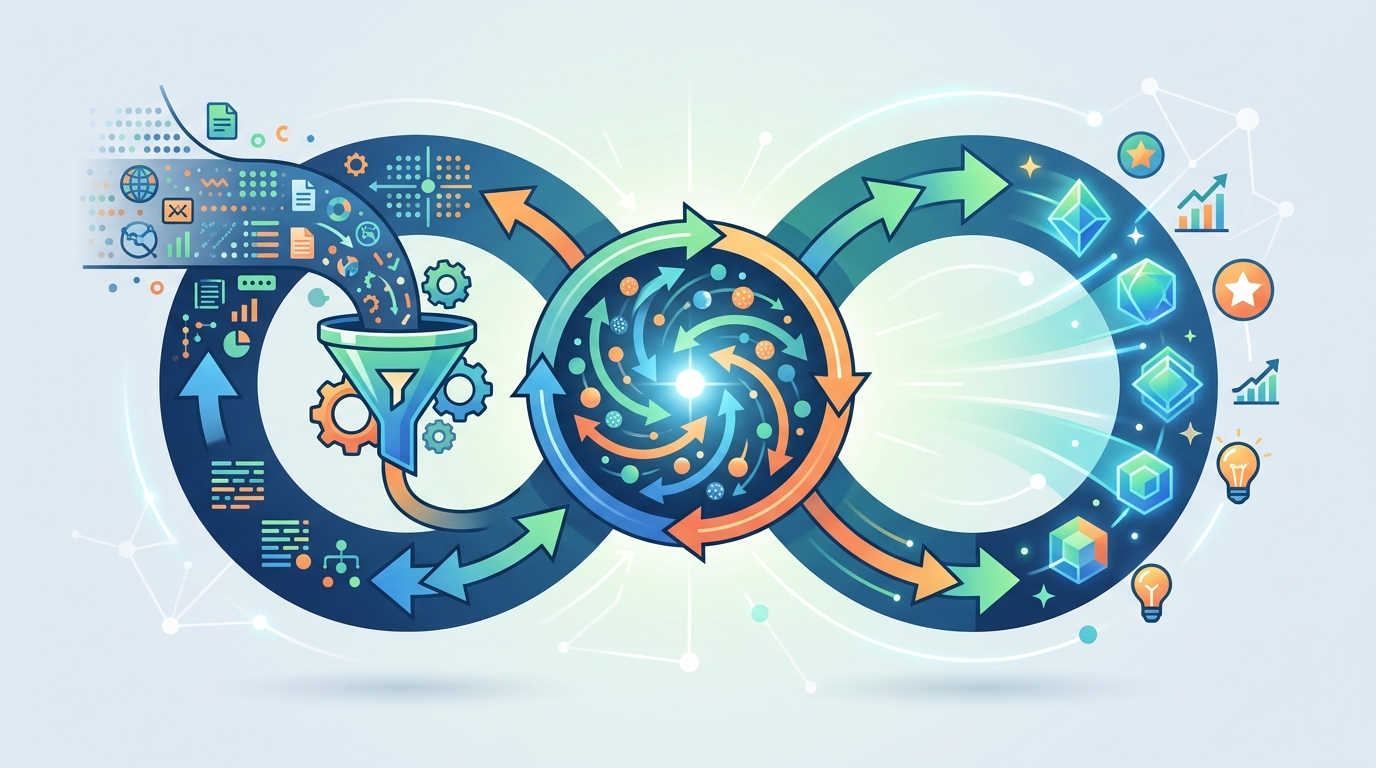
That objection is real, and it should not be dismissed. If your product depends on long support windows, the preview-heavy cadence is a poor fit for anything that cannot tolerate migration work. But that is exactly why the churn is still the right tradeoff for Gemini’s target audience. Google is optimizing for frontier capability and rapid iteration, not for static enterprise conservatism. The platform is making a clear bargain: accept more migration overhead in exchange for earlier access to new primitives, and for many AI products that is the better deal.
What to do with this
If you are an engineer or founder building on Gemini API, stop treating previews as optional candy and start treating them as a product choice with operational cost. Pin versions, isolate model access behind your own abstraction layer, and budget migration time the same way you budget infra spend. Use fast-moving features like async function calls and URL context where they create user value, but keep a fallback path for stable traffic. The right response to Gemini’s churn is not to avoid it. It is to design for it.
// Related Articles
- [TOOLS]
OpenClaw with Ollama turns Telegram into a bot
- [TOOLS]
Aliyun Bailian Token Plan turns credits into agents
- [TOOLS]
One API gateway turns six AI APIs into one
- [TOOLS]
OpenAI FDEs turn broken agents into shipped systems
- [TOOLS]
Anthropic’s daily brief turns news into a workflow
- [TOOLS]
Claude Reflect turns usage into retention